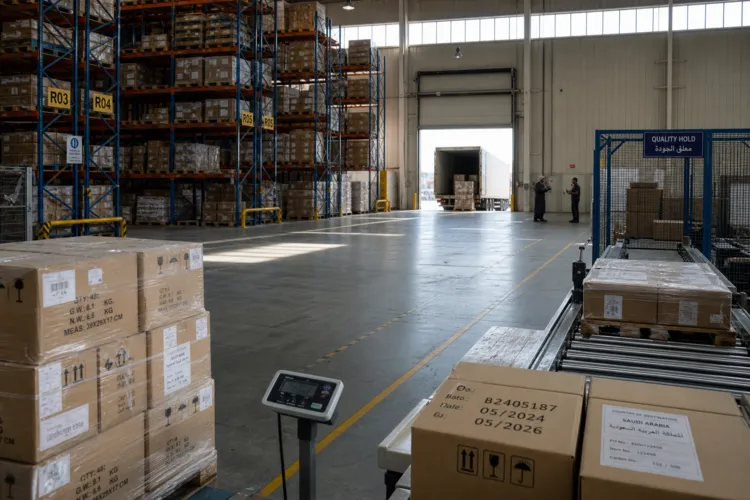

Saudi Arabia’s drive to bring more vaccine production onshore is being framed as a sovereignty play. It aims to reduce import dependency and build a platform that can serve domestic needs while also supporting a regional manufacturing and distribution role. This localization agenda is repeatedly linked to Vision 2030 goals, which put innovation and local capability building at the center of healthcare development. The policy logic is clear in market research language, too: the value chain is regulated, GMP-driven, and shaped by institutional procurement, where centralized public health objectives matter more than consumer choice.
Investment is one visible signal of intent. In 2023, MODON signed a USD 133 million investment agreement with the Vaccine Industrial Company to create a joint venture vaccine manufacturing facility in Sudair City. The deal is positioned as part of Saudi Arabia’s broader strategy to enhance pharmaceutical self-sufficiency through domestic production facilities. At the same time, market outlook narratives are pointing to growth expectations that can help justify industrial build-out. One forecast values the Saudi Arabia vaccine market at USD 1.2 billion in 2025 and projects it could reach USD 1.94 billion by 2035, implying a 4.9% CAGR over that period.
Where Sovereignty Meets the Supply Chain Reality
The push for local capability runs into practical constraints in the upstream manufacturing stages. IndexBox’s market framing for inactivated vaccines highlights that the supply chain is globally integrated, capital-intensive, and qualification-heavy. It adds that core antigen manufacturing—using cell-culture or fermentation, followed by inactivation and purification—is concentrated in specialized GMP facilities of large multinational innovators and a select group of emerging market manufacturers. In that context, the report states Saudi Arabia currently has limited domestic capacity for this upstream, high-technology stage, which makes partnerships and phased localization a rational route rather than an instant switch.
Different vaccine technology platforms also shape what localization can look like. IndexBox defines subunit vaccines as purified antigen-based products that contain only specific pathogen subunits—such as proteins, polysaccharides, or conjugates—rather than whole-cell or live-attenuated formats. It defines recombinant vector vaccines as biologic vaccines that use a genetically engineered, non-pathogenic viral or bacterial vector to deliver antigen-coding DNA or RNA into host cells. These definitions matter for strategy because they imply distinct workflows, inputs, and regulatory burdens, which affect how quickly local teams can build, validate, and scale manufacturing capability across platforms.
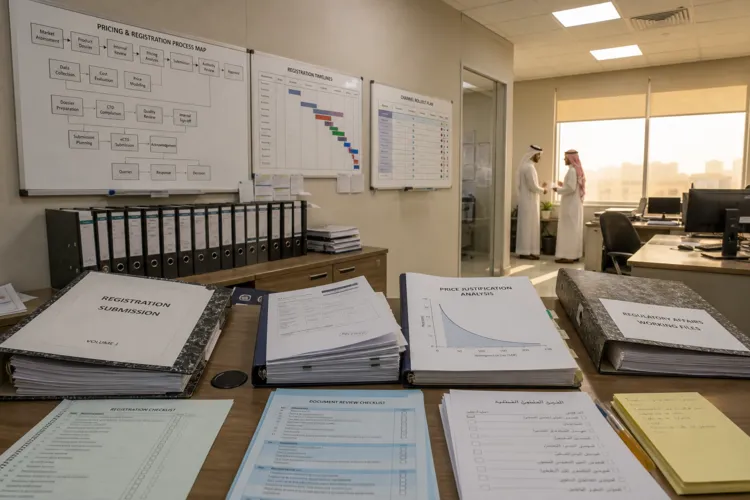
For companies evaluating participation in Saudi vaccine manufacturing, the commercial route is closely tied to government engagement and procurement dynamics. IndexBox notes that success for global innovators requires a dedicated government affairs and tender management function, a portfolio balancing mandatory program vaccines with higher-margin specialty products, and a willingness to pursue local partnerships aligned with national objectives. It also describes Saudi Arabia as a strategic export market for WHO-prequalified products, offering volume and stable demand, while warning that price competition is intense and requires operational excellence and scale. Those conditions define the operating environment for any sovereignty-driven build-out.
What investment has Saudi Arabia announced to support local vaccine production?
What is the forecast for Saudi Arabia’s vaccine market through 2035?
Why is upstream vaccine production difficult to localize quickly in Saudi Arabia?
How do subunit and recombinant vector vaccines differ in basic approach?
What capabilities do companies need to compete in Saudi vaccine manufacturing and procurement?