Saudi Arabia’s critical care system is being asked to do more, faster. One market forecast projects the country’s Intensive Care Unit market to grow from USD 102.6 billion in 2025 to USD 186.4 billion by 2031, at a CAGR of 10.4% across 2025–2031. The same outlook links growth to chronic and acute disease burden, the expansion of tertiary and quaternary hospital infrastructure, and rising government funding. In practical terms, this pressure shows up as a national push for more ICU-ready beds, stronger emergency preparedness, and critical care resilience designed to handle surges.
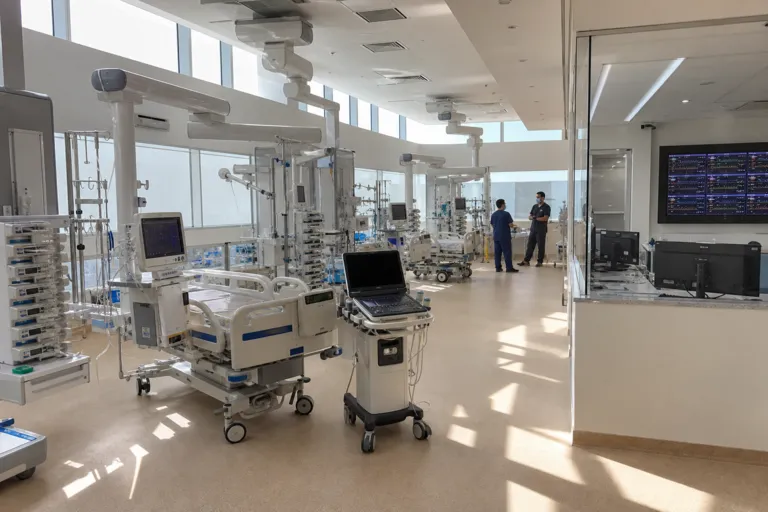
Capacity expansion is not only a plan on paper. A detailed spatial-temporal study of King Saud Medical City (KSMC) in Riyadh documented large operational growth between 2000 and 2025. The facility’s total bed capacity increased from approximately 450 to over 1,500, including 200 intensive care beds. Its emergency department expanded to 102 beds, and annual surgical volume exceeded 20,000 major procedures. The study also found that the built-up footprint expanded by more than 19 hectares and the Normalized Difference Built-up Index increased by +0.36, reflecting a shift toward a vertically integrated medical complex that can support advanced care at scale.
The Supply Chain Behind ICU Scale-Up
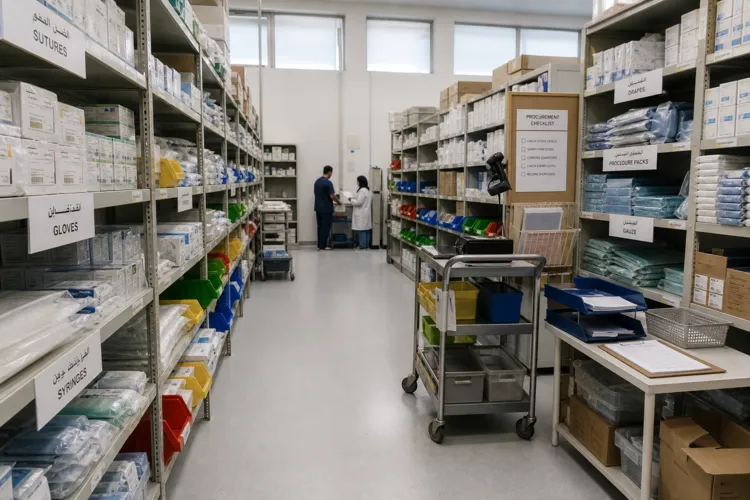
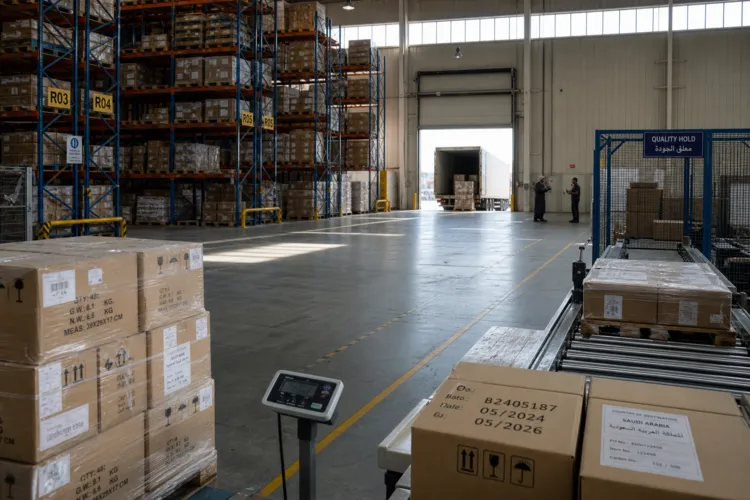
More beds and higher acuity care require a dependable pipeline of equipment and consumables. Mordor Intelligence projects Saudi Arabia’s hospital supplies market to expand from USD 1.44 billion in 2025 to USD 2.04 billion by 2031 (USD 1.53 billion in 2026), registering a 5.92% CAGR from 2026 to 2031. It also notes a national goal to add 27,000 beds by 2030, a target that raises demand for disposables, wound-care kits, and monitoring devices. In 2025, disposable hospital supplies held 48.81% share, hospitals captured 64.38% of spending, and surgical and trauma care led with a 37.73% revenue share, underscoring how core inpatient activity drives procurement.
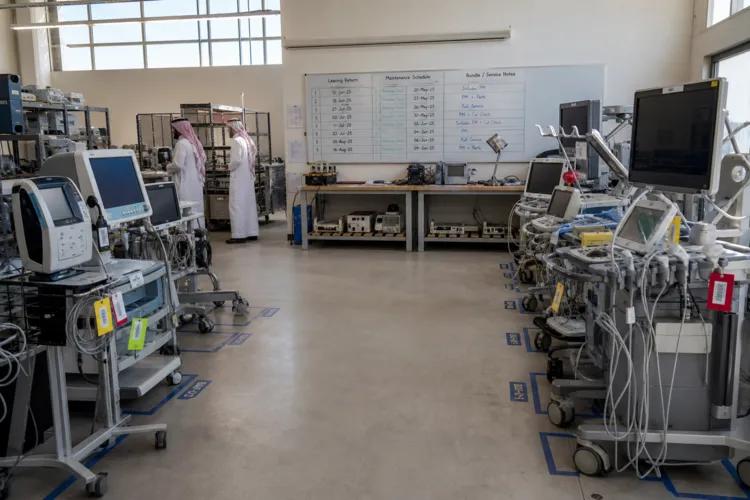
Device readiness is another pressure point, especially for ventilation. IndexBox estimates the ICU ventilator installed base in Saudi Arabia grew 25–35% between 2020 and 2025, which in turn created an aftermarket for valve replacement and upgrades that represents about 40–45% of annual valve demand. The same source places typical ventilator valve prices at USD 80 to 200, while premium or specialty valves used in neonatal or transport ventilators can reach USD 300–500. Alongside physical devices, ICU modernization also includes advanced multi-parameter monitoring systems that track heart rate, oxygen saturation, blood pressure, and respiratory function, and can integrate with digital platforms to detect early deterioration and support faster intervention.
Digital critical care is increasingly part of the expansion toolkit. Ken Research values the Middle East Tele-ICU market at USD 150 Mn and describes growth led by remote monitoring demand and technology advancements, with Saudi Arabia among the key markets. It also states that in 2023, Saudi Arabia strengthened telehealth regulation through Telemedicine Practice Guidelines issued under the oversight of the Saudi Health Council and the Ministry of Health pursuant to the Law of Practicing Healthcare Professions 1426H, covering licensing, clinical responsibility, data privacy, and technical standards. As the Saudi critical care market develops, the combination of physical capacity growth and Tele-ICU operating models is positioned to improve specialist access, continuous monitoring, and the efficiency of ICU resources.
What is driving ICU expansion in Saudi Arabia?
How much did King Saud Medical City expand its bed and ICU capacity?
What is the national bed-addition goal influencing hospital procurement?
What does recent data suggest about ventilator capacity growth and maintenance demand?
How is the Saudi critical care market adopting Tele-ICU models?