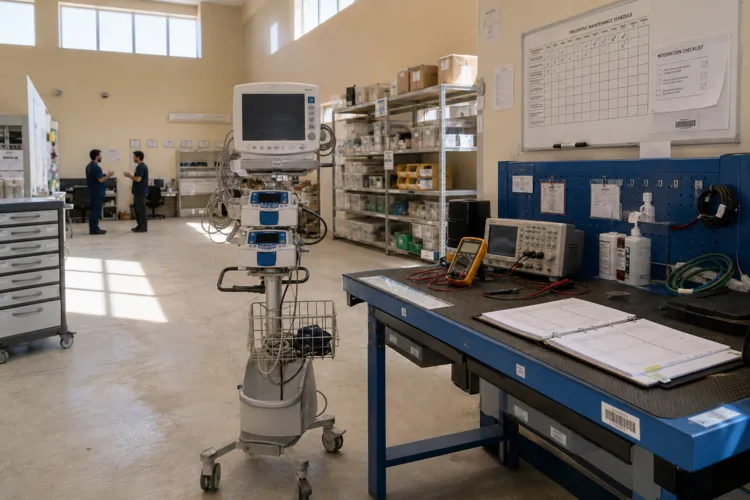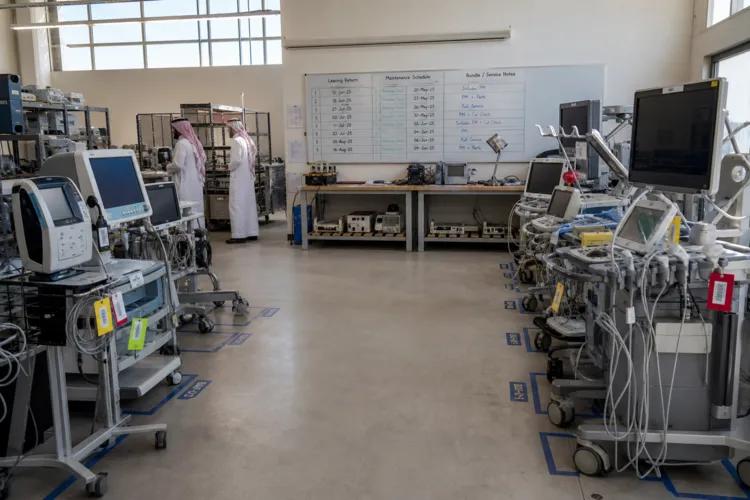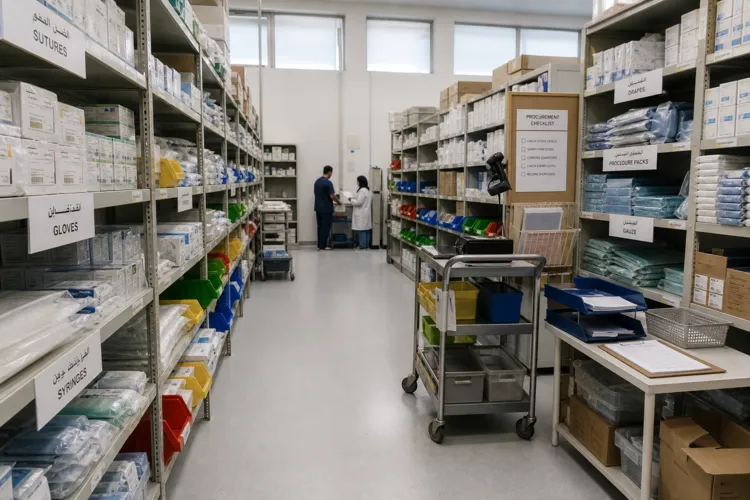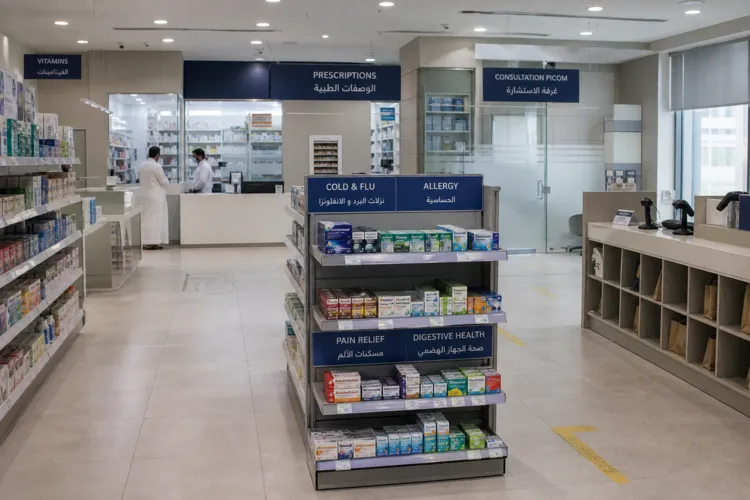
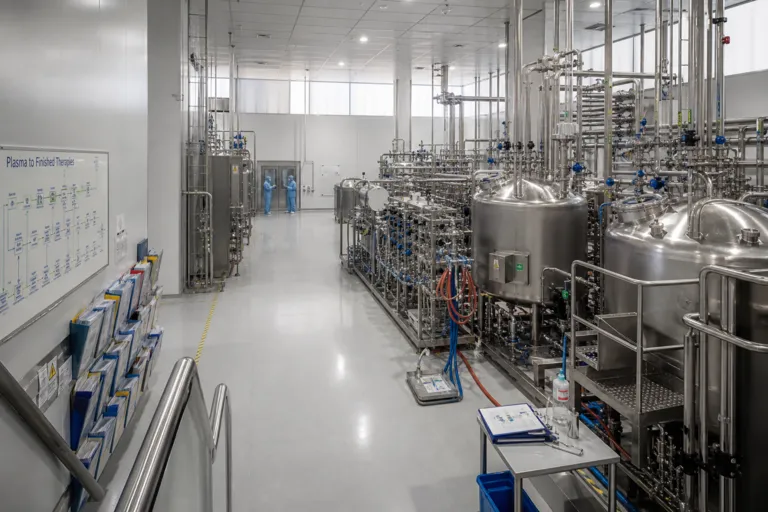
“Vein to vial” is a practical way to describe the end-to-end chain needed for plasma-derived therapies: collection, processing, cold-chain handling, and reliable clinical administration. For Saudi Arabia, building this chain is not happening in a vacuum. Global demand signals are strong. One industry report values the global blood plasma derivatives market at USD 52.16 billion in 2025 and projects USD 124.39 billion by 2035, with a 9.08% CAGR from 2026–2035. The same source states blood plasma derivatives demand reached 145 million liters in 2025, driven by rising immunoglobulin usage and growing plasma collection. These figures are global context, but they help explain why local strategies focus on supply capability, quality systems, and partnerships.
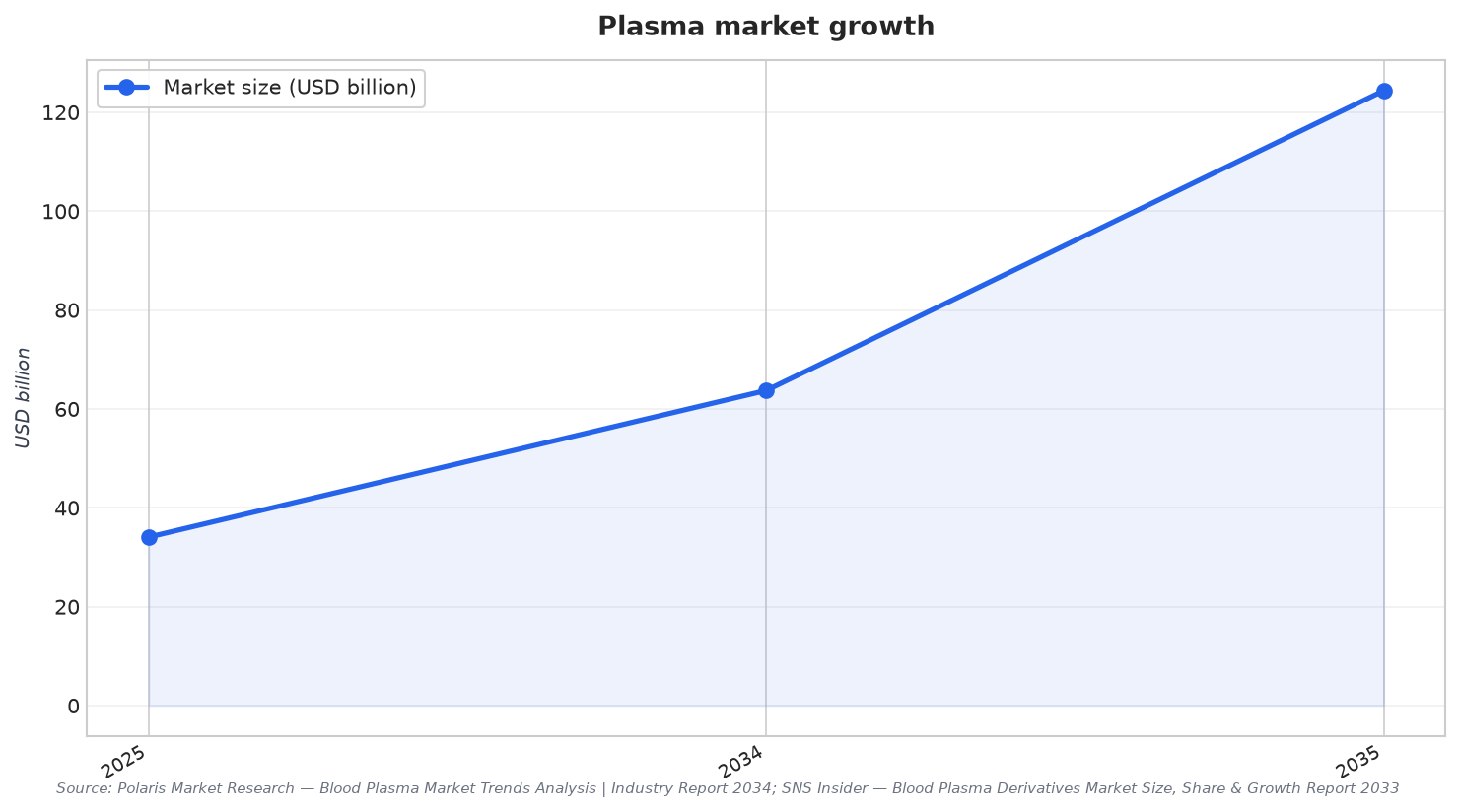
That broader arc also shows up in adjacent global measurements. A separate analysis sizes the global blood plasma market at USD 34.09 billion in 2025, projected to reach USD 63.74 billion by 2034 at a CAGR of 7.20% (2026–2034). Another report values the blood plasma components market at $38.46 billion in 2025 and projects $81.64 billion by 2035, at a CAGR of 7.8% from 2026 to 2035. Across these views, common themes repeat: more strategic manufacturing and distribution, research and development aimed at advanced plasma-derived products, and technology improvements that support safety and efficacy in collection and production. For Saudi planners and operators, these themes map directly to what must be built locally: consistent sourcing, compliant processing, and resilient distribution.
Why Infusion Infrastructure Matters to Blood-derived Therapies
Plasma-derived therapies ultimately need dependable administration settings, and Saudi Arabia’s infusion and sterile-fluid landscape is expanding. Mobility Foresights projects the Saudi Arabia intravenous solution market to grow from USD 14.8 billion in 2025 to USD 22.7 billion by 2032, at a CAGR of 6.3%. It ties growth to rising hospitalization rates, increasing surgical procedures, expansion of emergency and intensive care units, and increasing adoption of parenteral nutrition and oncology infusion therapies. Separately, a report notes that in 2024 Riyadh saw the launch of IV ONE, described as the country’s first dedicated outpatient infusion therapy center, designed to support chronic illness management, nutrient deficiencies, and personalized IV treatment pathways. This matters because outpatient infusion models can widen access points and standardize delivery practices for complex biologics administered in infusion settings.
Global operational benchmarks also hint at what scale can look like when collection networks mature. In the United States, one report projects the U.S. blood plasma derivatives market to grow from USD 17.06 billion in 2025 to USD 39.83 billion by 2035 at a CAGR of 8.85%, citing adoption of plasma therapy and growing collection infrastructure. The same ecosystem shows tangible network buildout: CSL Behring announced the opening of its 300th plasma donation center in the United States through its BioLife Plasma Services collection network. Saudi Arabia’s situation is different, but the direction is comparable: improving supply capability through plasma collection networks and fractionation facilities, supported by advances in cold-chain logistics and automation that enhance quality and shelf life. For the Saudi plasma market, the strategic push is therefore not a single investment decision. It is a coordinated build across sourcing, processing, logistics, and clinical delivery.
Execution also depends on therapy mix and regulatory readiness. Multiple global reports highlight growing interest in immunoglobulins and albumin, alongside innovation through biopharma and research partnerships. They also point to reimbursement policy and government support as levers that expand access to plasma-derived therapies, while technology trends such as automation and improved logistics support consistent quality. Put together, the “vein to vial” framing becomes a systems agenda: grow donation and collection capacity, build processing and distribution discipline, and align infusion pathways so patients can reliably receive care. In a world where several plasma market segments project multi-year growth, Saudi Arabia’s ability to integrate these links will shape how quickly local capability translates into real therapeutic availability.
What does “vein to vial” mean in plasma-derived therapies?
What is the global outlook for blood plasma derivatives?
How is Saudi Arabia’s infusion ecosystem growing, and why does it matter?
What real-world example shows how collection networks scale internationally?
What factors could shape the Saudi plasma market’s buildout?