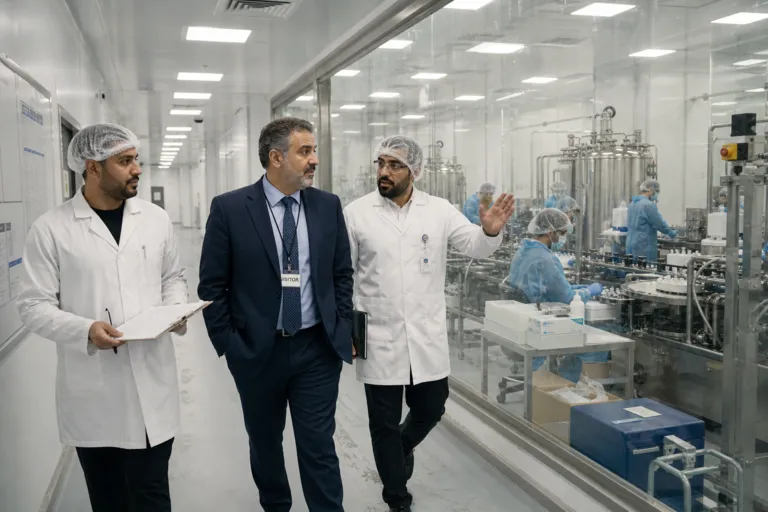
Saudi cell and gene therapy is moving from ambition to infrastructure. King Faisal Specialist Hospital and Research Centre (KFSHRC) said it will open Saudi Arabia’s first facility for manufacturing genetic and cellular therapies by late 2025. The project is designed to give thousands of patients access to advanced treatments at home. It also aims to reduce the cost of care by an estimated eight billion riyals (about two billion dollars) by 2030. KFSHRC also said the facility is expected to meet roughly nine percent of the nation’s demand for such therapies.
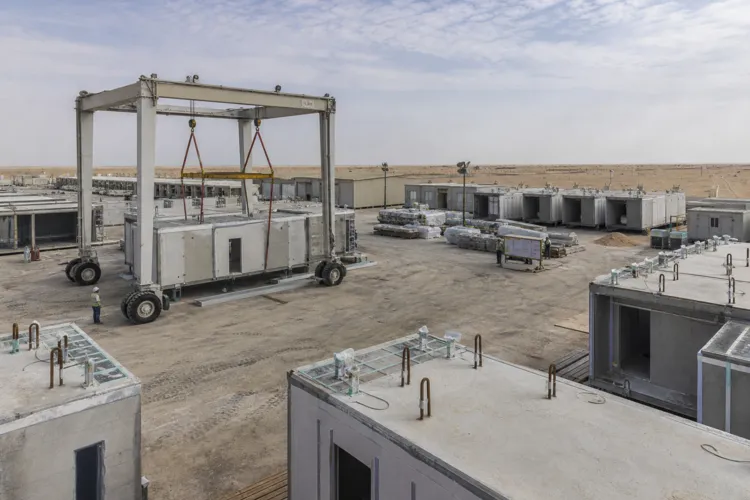
The planned manufacturing footprint is specific and sizable. The facility will be located on KFSHRC’s Riyadh campus. It will produce CAR T-cell and stem-cell therapies, described as treatments that re-engineer a patient’s own cells to fight cancer or repair damaged tissue. The plant spans more than 5,000 square meters. It is designed around 16 modular clean-room clusters, with room to expand or adapt as new therapeutic technologies evolve. Once fully operational, it is expected to manufacture about 2,400 treatment doses each year.
Manufacturing Momentum Meets Regulatory Pathways
The broader manufacturing push adds context to advanced therapy plans. A pharmaphorum analysis says Saudi Arabia now has 206 pharmaceutical and medical device companies with total investments above SR10 billion (about USD $2.6 billion). It also reports 56 pharmaceutical facilities licensed by the Saudi Food and Drug Authority (SFDA). The same source frames Saudi Arabia as a growing CDMO destination, supported by investment and infrastructure. It also states the Saudi pharmaceutical market is expected at USD $12.4 billion in 2025 and projected at USD $18.1 billion by 2030.
Regulatory timelines and partnerships are also part of the Kingdom’s therapeutics race. A July 2025 BioSpace release on CEL-SCI described “patient access and reimbursement/sale in Saudi Arabia within approximately 60 days following filing for Breakthrough Medicine Designation.” In May 2026, CEL-SCI reported it had signed a key partnership with Amarox to advance Multikine approval and commercialization in Saudi Arabia. The same release described a 50%/50% revenue sharing agreement for Multikine sales in Saudi Arabia upon receipt of Breakthrough Medicine Designation. It also said Amarox has been ranked #1 for SFDA applications for critical and unavailable medicine for 3 consecutive years.
These steps sit inside a global market narrative that is getting more manufacturing-dependent. A BioSpace market note says cell and gene therapy becomes real for patients when innovations translate into the manufacture of advanced therapy medicinal products (ATMPs). In Saudi Arabia, KFSHRC positioned its facility as a milestone combining precision medicine and advanced manufacturing, and it unveiled the facility at Global Health Exhibition 2025 in Riyadh. Together, these signals point to a clearer local playbook: expand regulated manufacturing capability, connect it to SFDA pathways, and build capacity that can be scaled as technologies evolve.
What is “saudi cell and gene therapy” referring to in current Saudi initiatives?
What will KFSHRC manufacture at its planned facility in Riyadh?
How large is the KFSHRC gene and cell therapy manufacturing site?
What output is expected once the KFSHRC facility is fully operational?
What does the pharmaphorum analysis say about Saudi pharma manufacturing scale today?