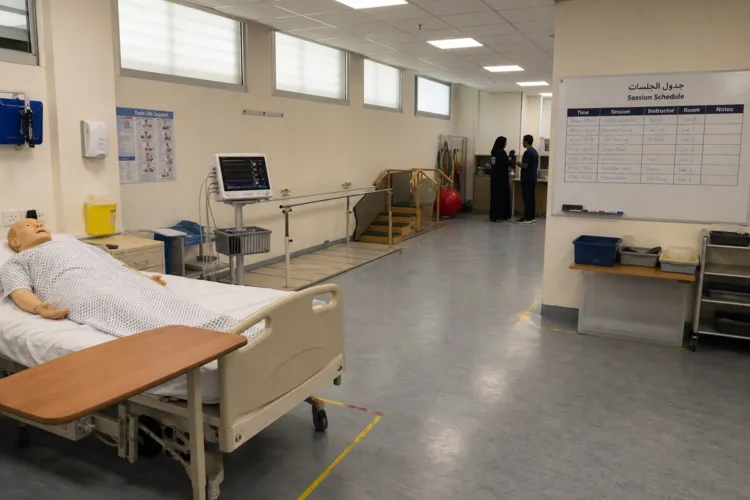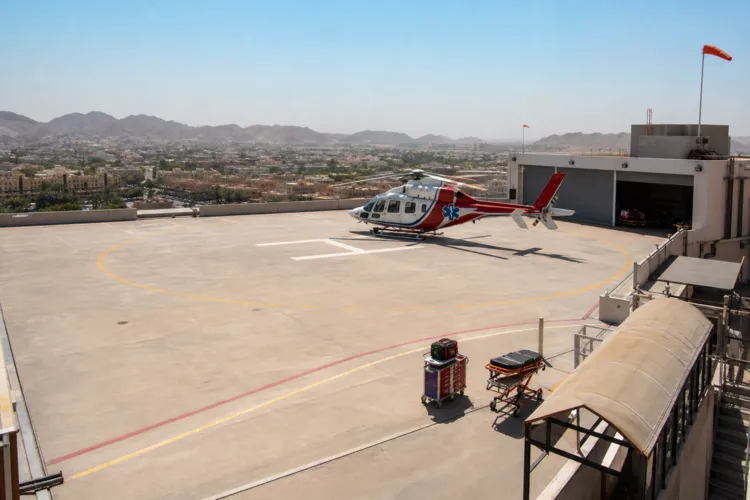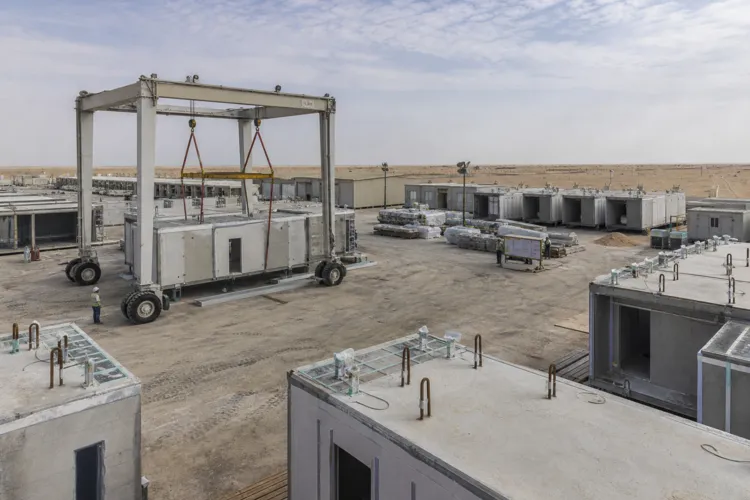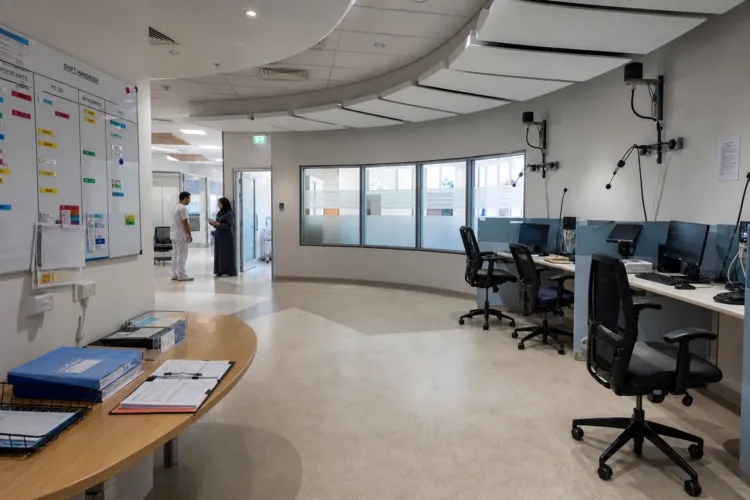
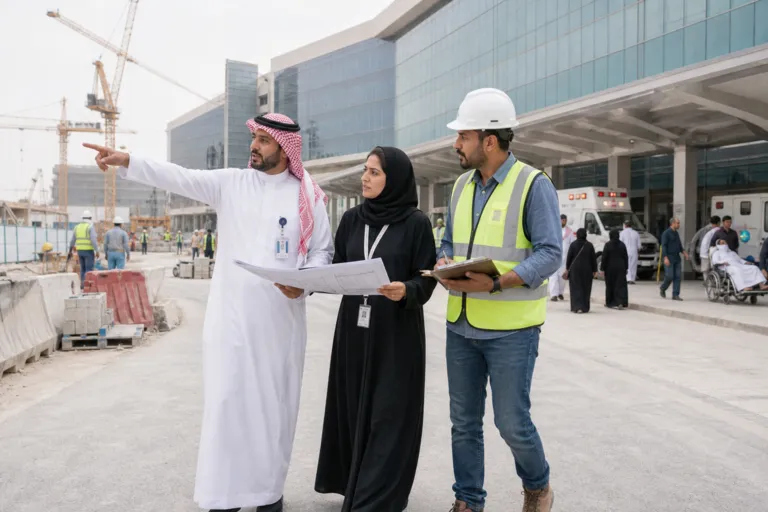
Saudi Arabia is pushing mega health projects as part of Vision 2030, using capital budgets, new delivery models, and procurement reform to expand and modernize care. In the 2025 budget, Vision 2030 allocated SAR 260 billion for health and social development, described as a 12% increase from the previous year. Funding cited in industry analysis supports the development of 12 new medical cities and upgrades to 150 existing facilities. Alongside the build-out, the Kingdom has a national goal to add 27,000 beds by 2030, a target that underlines why medical complexes and health zones are being treated as long-cycle, multi-contract programs.
Public budgeting and medium-term investment targets are also being framed in USD terms in official commercial guidance. Saudi Arabia accounts for 60% of the Gulf Cooperation Council (GCC) countries’ healthcare expenditure, and the sector is described as a top government priority. In 2024, the Saudi government allocated SAR 214 billion (about US$57.1 billion) to healthcare, representing approximately 17% of the total budget. The same guidance cites a planned US$13.8 billion investment in medical facilities by 2030. In parallel, a separate market report states that over USD 20 billion was allocated for health projects in 2023 alone, reinforcing the scale and continuity of the pipeline supporting new medical city developments and upgraded regional networks.
Where Medical City Development Is Concentrating—and Why
Not all regions are moving at the same pace. Healthcare infrastructure research describes Riyadh and the Makkah region as dominating development due to population concentration, referral flows, and priority execution under reform programs. The same source notes that official statistics show Riyadh leading the Kingdom in hospital count, followed by Makkah, and highlights approved Ministry of Health projects across Riyadh, Jeddah, Dammam, and Al Ahsa. Other sources echo the clustering effect, noting smart hospital growth concentrated in major cities such as Riyadh, Jeddah, Dammam, and Dhahran where investments are strongest. Together, these signals suggest medical cities and health zones will keep forming around existing density, specialist availability, and established care demand.
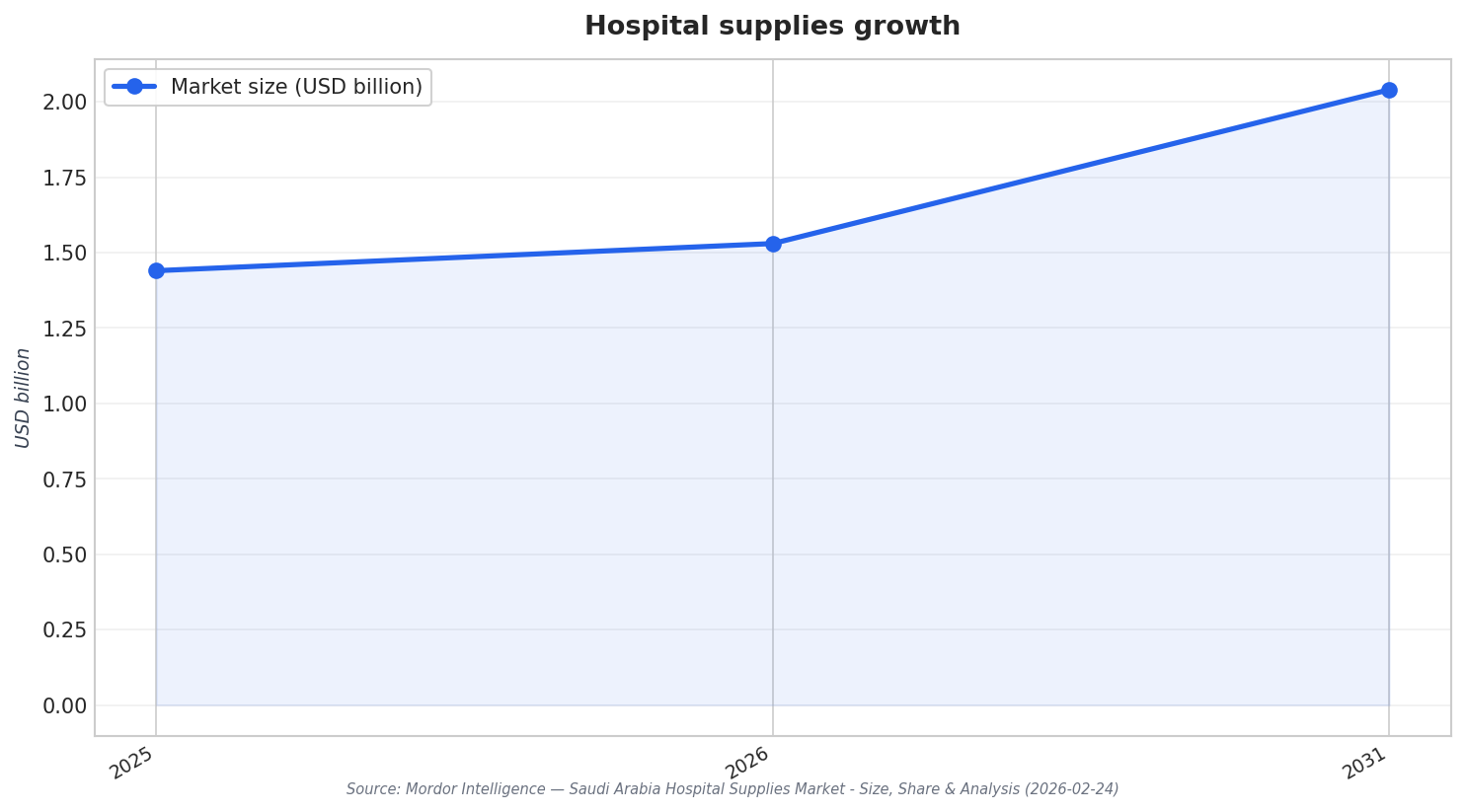
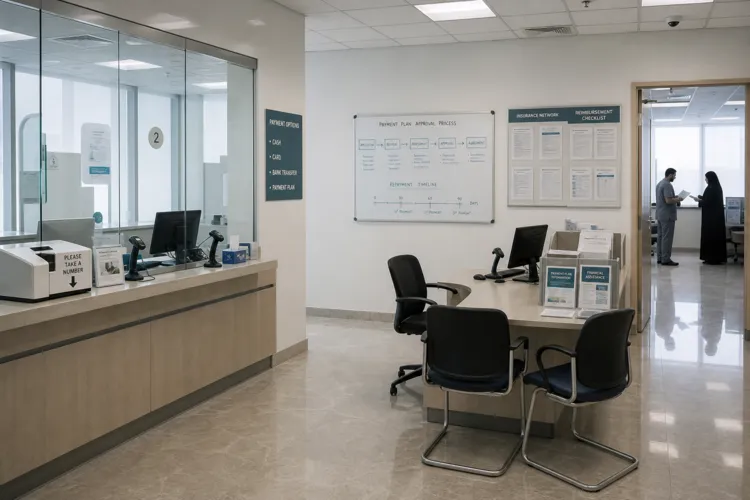
Operating models are changing as fast as the physical footprint. The government aims to raise private sector contribution from 25% to 35% by 2030, while healthcare is also targeted for increased privatization and foreign investment. A separate analysis describes a privatization roadmap covering 290 hospitals and 2,300 primary health centers, with pay-for-performance models designed to reward outcomes such as lower infection rates. Procurement centralization is also a defining feature: NUPCO is responsible for centralized government procurement of pharmaceuticals, medical equipment, and supplies for public facilities, and a digital marketplace is described as shortening tender cycles. For stakeholders tracking Saudi medical city projects, this means the “zone” is not only a cluster of buildings, but a tighter set of contracting, procurement, and performance rules.
Demand-side pressures and digital adoption are shaping what gets built and how it runs. One market analysis cites diabetes affecting 18.5% of adults and cardio-metabolic disorders accounting for more than one-third of deaths, with an aging population intensifying consumption of disposables and monitoring devices. On the digital front, the Sehhaty mobile health application is reported to have over 24 million users, around 68.5% of the population, supporting appointment scheduling, teleconsultations, prescription management, and health tracking. Digital expansion also shows up in insurance product design, where wellness and telehealth add-ons are projected to grow at a 17.75% CAGR to 2031. These trends point toward medical cities designed for high-throughput chronic care, integrated digital workflows, and new models of hybrid in-person and virtual delivery.
What is driving Saudi Arabia’s new medical cities and health zones under Vision 2030?
How much healthcare budget did Saudi Arabia allocate in 2024?
Which regions are most associated with the build-out of major healthcare infrastructure?
How does privatization relate to Saudi medical city projects?
How widely adopted is digital health in Saudi Arabia’s healthcare ecosystem?