In saudi medical tourism 2026, one theme keeps coming back: service quality. A 2026 academic review says service quality remains a key factor for success in medical tourism. It also notes that Saudi hospitals are increasingly adopting internationally recognized clinical standards and hospital accreditations to show dedication to global best practices.
Accreditation works like a trust signal. The same 2026 paper points to the accreditation of many hospitals by Joint Commission International (JCI), saying it strengthens Saudi Arabia’s commitment to international standards of care. The goal is simple. More confidence for patients. A stronger position for the Kingdom as a credible healthcare destination.
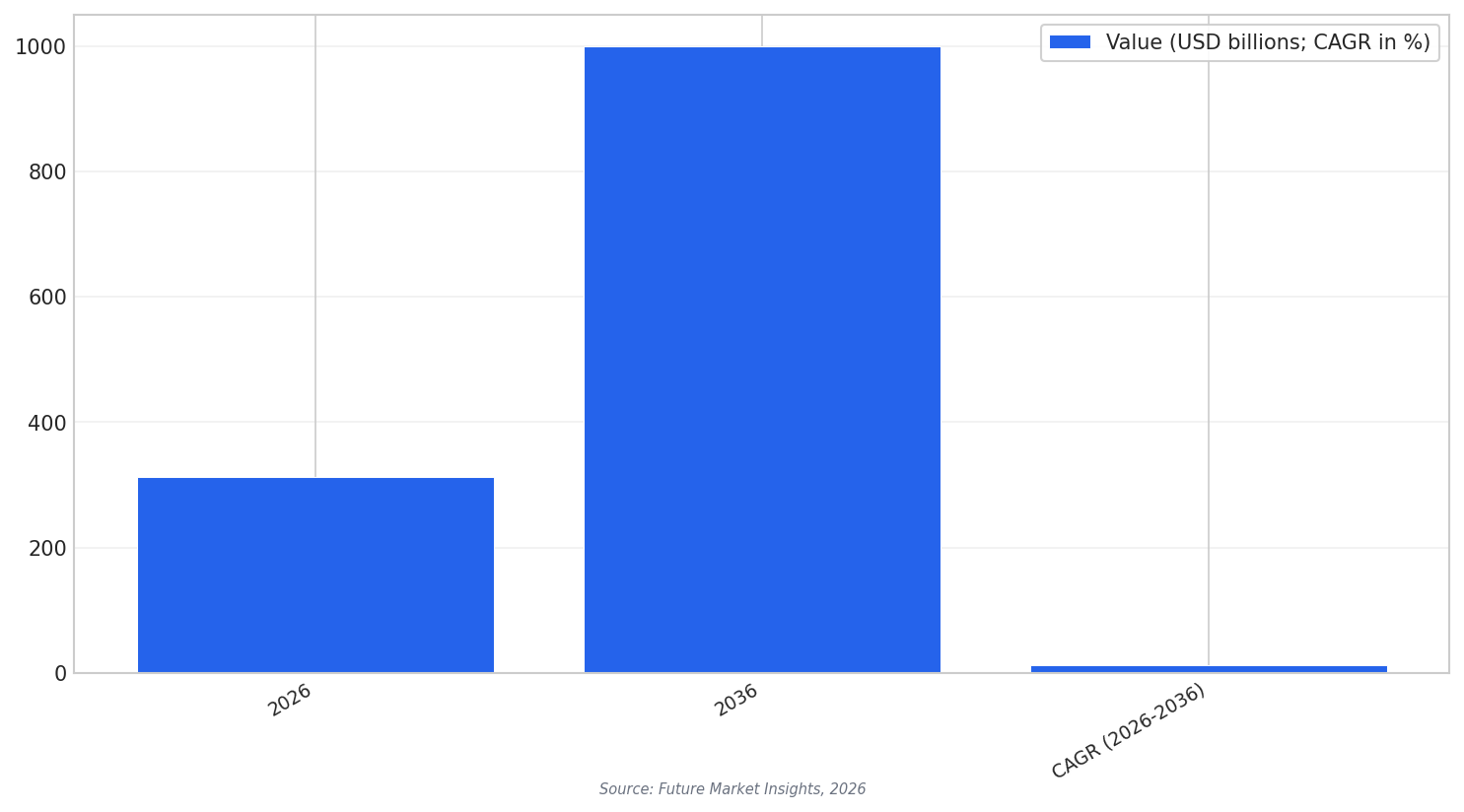
Market forecasts show why quality signals matter right now. Future Market Insights estimates the global medical tourism market at USD 312.5 Billion in 2026. It also projects USD 1000.2 Billion by 2036, with a CAGR of 12.3%. In this environment, accreditation frameworks and more structured patient pathways become a competitive tool for destinations.
Pull Factors: Standards, Coordination, and Visitor Readiness
Saudi-focused sources describe clear pull factors. A 2026 review says the Kingdom’s role as a regional hub lets it draw from a large catchment area. It also links this to ongoing investments in infrastructure to improve healthcare travel services. Another industry article says the government has streamlined visa processing for medical tourists, making access easier for international patients.
Patient decision-making is also changing. A 2026 Healtra report says families prioritize transparency, high recovery ratings, and respect for GCC cultural values. It adds that families in Riyadh often prioritize institutions with JCI or GHA accreditation to ensure the highest safety standards. The same source argues that “physician-led guidance” matters more than travel-style brokerage, because clinical review helps avoid “one-size-fits-all” hospital choices.
On the growth side, one Saudi-focused article cites Saudi Ministry of Tourism reports that medical tourism in Saudi Arabia has recorded an annual rate exceeding 15 per cent since 2020. It also says projections indicate the number of visitors seeking treatment could surpass 2 million annually by 2030. Together, these points explain why service quality, accreditation, and coordination are not optional in 2026.
What is the biggest theme shaping saudi medical tourism 2026?
Why do JCI and GHA accreditation matter to patients?
How fast is medical tourism growing in Saudi Arabia, based on the sources?
What do patients and families say they want from medical travel support?
How big is the global medical tourism market in 2026?