Saudi pharmaceutical localization is becoming a make-or-break issue for companies that want to sell into the public healthcare system. NUPCO tenders for 2026 mark a turning point. The national procurement authority is rejecting foreign bids when a local alternative exists, and this is now enforced. With annual procurement exceeding SAR 25 billion and access to over 400 public healthcare facilities, NUPCO has a major role in shaping who wins contracts and who loses them.
The local preference is built into tender scoring. A 15% “Made in Saudi (MiS)” localization score can decide winners and losers. In 2021, 89% of NUPCO supply chain contracts were awarded to local partners. For import-only suppliers, the message is direct: importing is no longer enough if a local product meets standards.
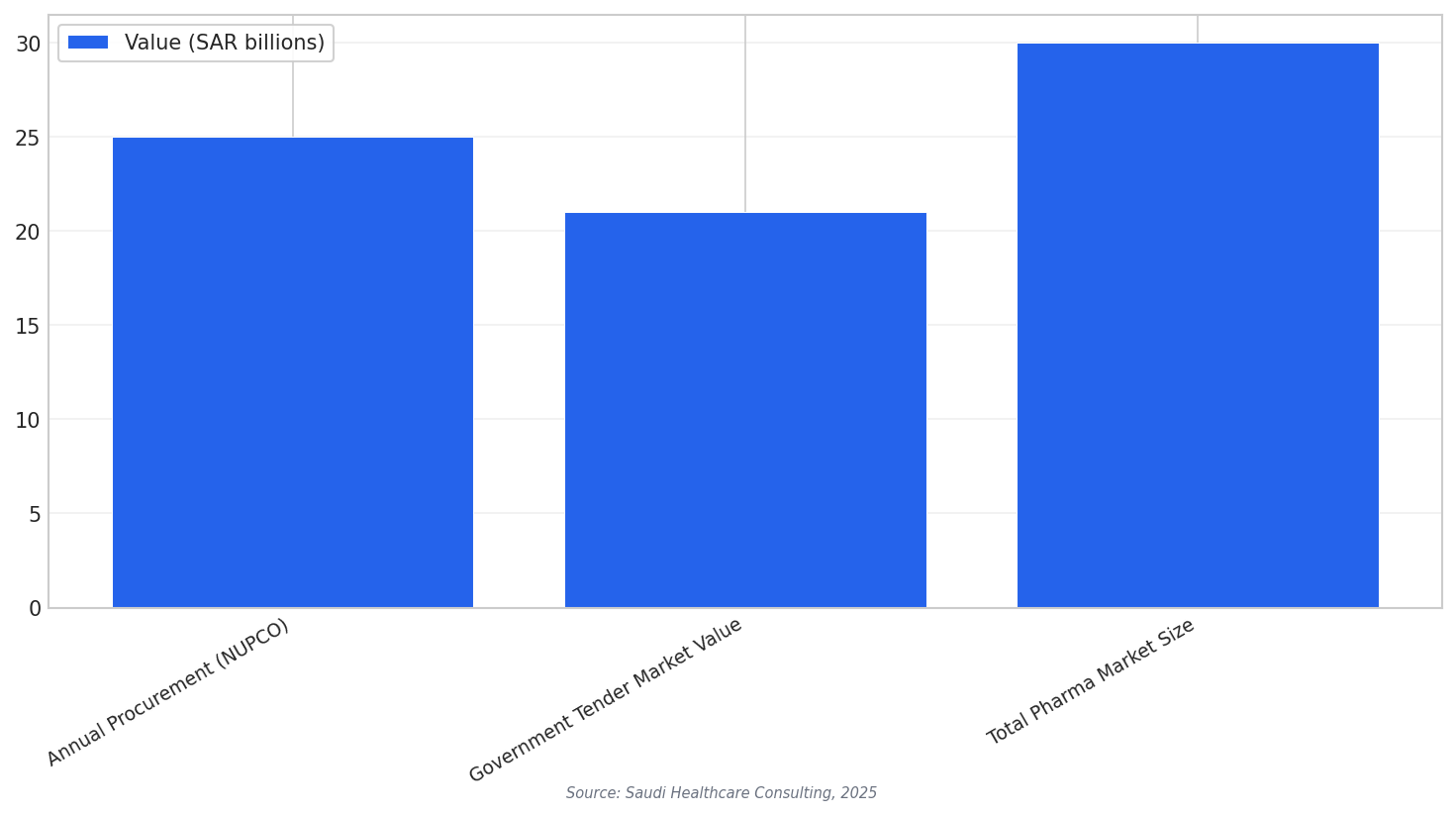
Three figures show why the market impact is so large: annual procurement exceeds SAR 25 billion, the government tender market alone is valued at SAR 21 billion, and government purchasing represents 54% of the SAR 30 billion pharmaceutical market.
Why Sudair Industrial City Is Becoming the Fastest Shortcut
These tender rules help explain the rush into Sudair Industrial City. The zone now hosts 421 facilities, up 12% in 2024. It includes new oncology and high-potency drug plants. Sudair is also where foreign and local players are placing new bets, because local manufacturing can reopen doors to national tenders and long-term framework agreements.
Several examples show the kind of projects being built. French pharmaceutical company BPI signed a SR375 million ($100 million) agreement to establish its first manufacturing base in Saudi Arabia, securing a plot in Sudair City for Industry and Business. The deal covers a site exceeding 51,000 sq. meters. Separately, Stada said it will invest more than €85 million (around $101 million) for a new production facility in Sudair Industrial City on a 23,250-square-meter site, with planned yearly production capacity of more than 300 million units and around 400 new jobs, with operations expected by 2030.
Localization is also expanding beyond classic medicines. Co-Diagnostics said its joint venture CoMira Diagnostics secured an industrial land allocation in Sudair Industrial City, approved by MODON on April 2, 2026. The site is intended for molecular diagnostics manufacturing to localize production of molecular instruments and assays, tied to Saudi Vision 2030 objectives, though the Co-Dx PCR platform remains subject to regulatory review.
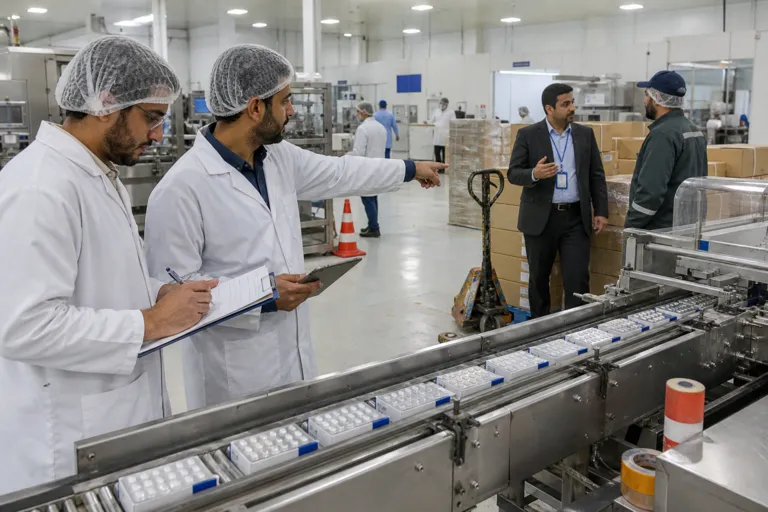
The bigger goal is clear. Saudi Arabia aims to localize 80% of pharmaceutical production by 2030 under Vision 2030. Today, 40 factories cover 36% of market demand, with local production growing at 5% annually and exports exceeding SAR 1.5 billion. The “Made in Saudi” program requires 40% added local value for product approval. In this environment, companies need manufacturing depth, not just registration rights or pricing, to stay competitive in NUPCO-led demand.
What is driving saudi pharmaceutical localization in 2026 tenders?
Why does NUPCO matter so much for pharma suppliers in Saudi Arabia?
Why are companies building in Sudair Industrial City?
What is Saudi Arabia’s 2030 localization target for pharmaceuticals?
What does the Made in Saudi program require for product approval?