Saudi cardiology services are under pressure as more people need complex heart care. Cardiovascular disease is described as the leading cause of death in the Kingdom. Johns Hopkins Aramco Healthcare (JHAH) also reports projections showing over 479,500 citizens affected by 2035, driven by aging populations, lifestyle-related conditions, and diet-related risks. At the same time, Saudi Arabia’s population has surpassed 35 million, which raises demand for both primary and specialized services.
Demand is also shaped by funding and system change. Saudi Arabia’s healthcare expenditure is projected to reach SAR 180 billion, reflecting a 5% increase from previous estimates, according to Ken Research. In October 2024, the Minister of Health announced investment deals worth more than USD 13.3 billion to boost the healthcare sector. Sources also point to Vision 2030, privatization, and public-private partnerships as ways to expand infrastructure and quality across care.
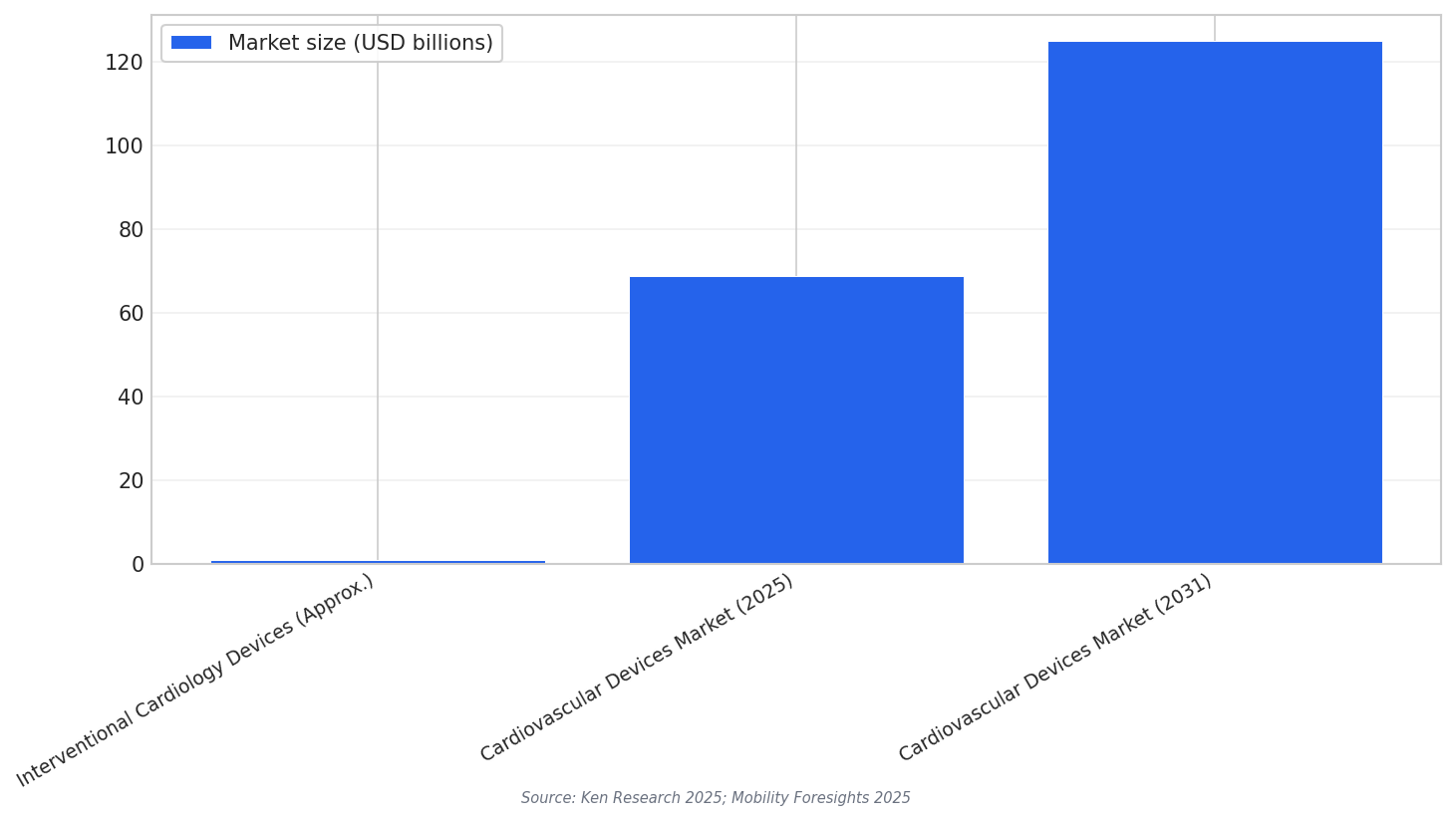
Device spending signals how cardiac care is modernizing. Ken Research values the Saudi Arabia interventional cardiology devices market at approximately USD 870 million. Mobility Foresights projects the Saudi Arabia cardiovascular devices market to grow from USD 68.7 billion in 2025 to USD 124.9 billion by 2031, reflecting a CAGR of 10.6%. These figures show how hospitals and centers are building capacity for diagnosis, interventions, and long-term management.
Specialized Heart Centers Aim to Keep Care Close to Home
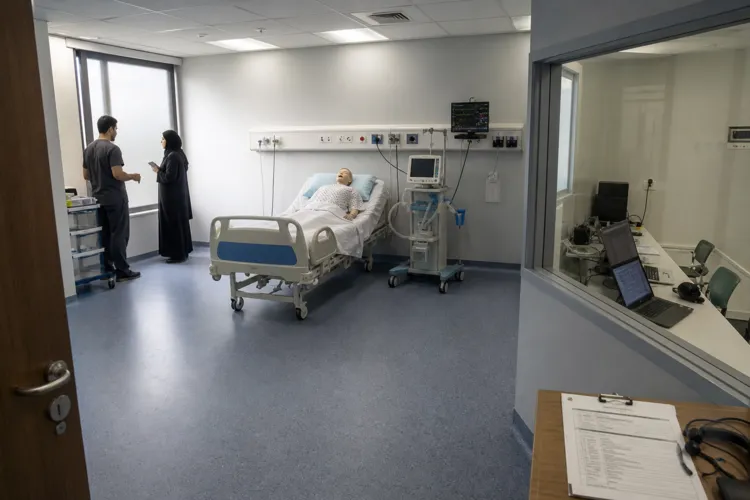
New specialized centers are a direct response to the rising need. In Dhahran, JHAH launched a Cardiovascular Center of Excellence. It is described as Saudi Arabia’s second Center of Excellence and is modelled on the Johns Hopkins Heart and Vascular Institute in the United States. The goal, aligned with Vision 2030, is to reduce the need for medical travel abroad, strengthen local specialty care, and boost private-sector participation.
The JHAH center is designed as an integrated program covering cardiology, cardiac surgery, and vascular medicine. It aims to manage complex cardiovascular conditions with multidisciplinary teams and evidence-based protocols. It is also positioned as a hub for clinician training, research, and development of novel therapies. This kind of structure matters when patients need coordinated care, not disconnected appointments.
Across the Kingdom, hospitals are highlighting dedicated cardiac capacity. Mouwasat Hospital Jubail states it features a Cardiology Center and provides comprehensive and advanced cardiac care using the latest technology and evidence-based practices. On the professional side, the Saudi Heart Association describes groups working across all regions, running workshops, courses, and hands-on training, plus meetings several times a year. It also looks toward structural cardiac rehabilitation programs being established in each cardiac center and major hospitals with full cardiac services.
Why is demand rising for saudi cardiology services?
What is the JHAH Cardiovascular Center of Excellence designed to do?
What major funding signals support cardiac care expansion in Saudi Arabia?
What do the device-market figures suggest about cardiac services capacity?