Saudi diabetes care sits at the center of a wider chronic disease challenge. Diabetes rarely occurs in isolation. It often intersects with chronic kidney disease (CKD), cardiovascular disease, neuropathy, and hypertension. That mix can force multiple prescriptions, varying dosing schedules, and complex monitoring. Side effects can also affect quality of life. The result is not only clinical complexity, but daily operational complexity for patients. Any Chronic Disease Model of Care in KSA has to make care doable outside the clinic, not only theoretically correct inside it.
A practical model must address barriers that amplify treatment burden. Structural barriers include limited access to specialty providers, inconsistent insurance coverage, transportation constraints, and language and literacy challenges. These issues can widen inequities because people with fewer resources carry the heaviest workload. Diabetes Awareness Month discussions often focus on prevalence and complications. Yet treatment burden is an enduring and less examined source of inequity. In KSA, tackling diabetes prevalence demands actions that reduce steps, reduce confusion, and reduce the friction that makes patients disengage.
Where Monitoring Technology Fits a Chronic Care Model
Technology can support a connected, proactive approach when it is paired with a coordinated care team. Home-based interventions, remote monitoring, and personalized education and coaching have become essential parts of the toolkit. Predictive analytics can flag who is likely to disengage from a critical therapy like continuous glucose monitoring (CGM). Then a coordinated care team, including educators, suppliers, and clinicians, can respond. This breaks down silos between clinic and home and aligns with a patient-centric model. It also shifts care from reactive visits to earlier support.
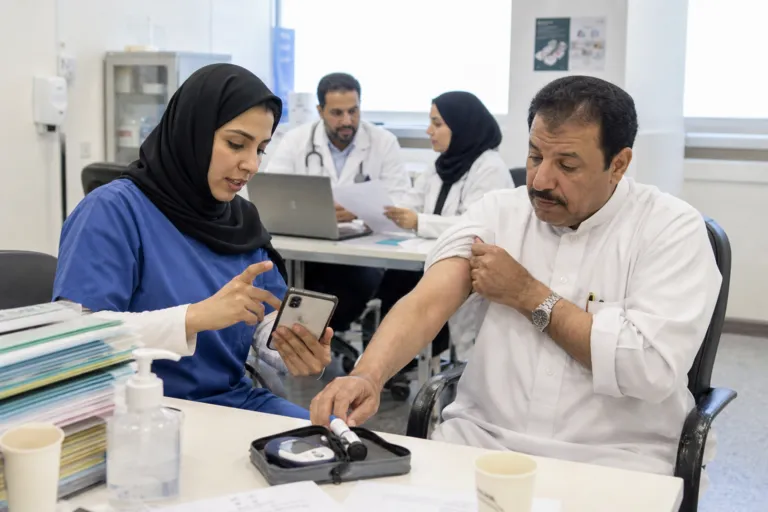
Saudi Arabia’s self-monitoring blood glucose (SMBG) device market signals momentum behind self-management infrastructure. A report valued the Saudi Arabian SMBG devices market at USD 211.6 million in 2024. It estimated growth at a CAGR of 11.5% to reach USD 615.2 million by 2034. The report links growth to rising burden of diabetes, public health initiatives, awareness, and advancing wearable glucose monitoring technologies. It also notes challenges such as high costs of diabetes care devices and stringent regulatory requirements. In a Chronic Disease Model of Care, these constraints should shape procurement, coverage, and rollout design.
Education remains a foundational layer of self-management, not an optional add-on. A nationally recognized diabetes self-management program describes how support from the healthcare team and increased knowledge can help patients assume major responsibility for management. It also states that unnecessary hospital admissions and some acute and chronic complications may be prevented through self-management education. Topics commonly include medications, monitoring, preventing and treating complications, goal setting, problem solving, and psychological adjustment. A KSA model can standardize education content and delivery so patients get consistent, usable skills rather than one-time advice.
A modern model also needs to respect mental and social realities. An International Diabetes Federation survey found 63% of people living with diabetes fear that developing diabetes-related complications will affect physical wellbeing. The same survey found 77% have experienced anxiety, depression, or other mental health conditions because of their diabetes. The IDF announced “diabetes and wellbeing” as the theme for World Diabetes Day 2024 through 2026 to highlight holistic care that includes physical, mental, and societal wellbeing. For Saudi diabetes care, that means designing pathways that reduce complexity, support wellbeing, and work at home and at work.
What does “saudi diabetes care” mean in a Chronic Disease Model of Care?
Why is treatment burden a key issue in diabetes care models?
How can predictive analytics support diabetes care delivery?
What do SMBG market figures suggest about diabetes self-management in Saudi Arabia?
Why should mental wellbeing be included in diabetes care pathways?