Saudi diabetes management is under pressure because diabetes is common and long-term care is complex. A Saudi Arabian consensus paper cites 4.3 million people aged 20–79 years living with diabetes in 2021. It also reports this equals about 16.4% of the adult population. These numbers help explain why new tools, new workflows, and better patient support matter.
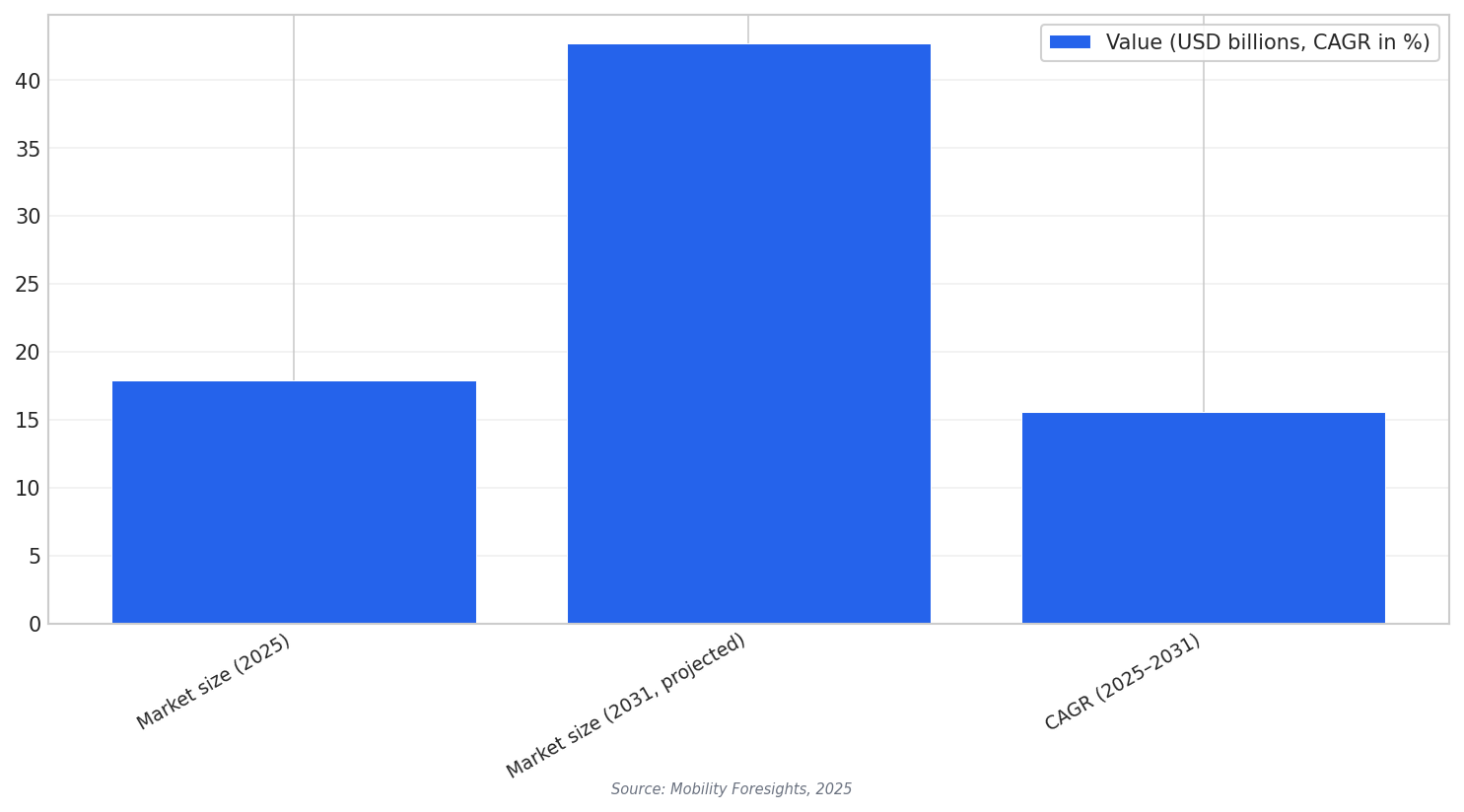
One clear trend is digital care. Mobility Foresights reports the Saudi Arabia Digital Diabetes Market is projected to reach USD 42.7 billion by 2031, growing from USD 17.9 billion in 2025, at a CAGR of 15.6%. The same source links this expansion to real-time monitoring and personalized care. It also highlights solutions like continuous glucose monitoring (CGM), insulin delivery systems, and mobile health apps.
Here are three market figures that show the pace of change: USD 17.9 billion (2025), a projected USD 42.7 billion (2031), and a stated CAGR of 15.6% for 2025–2031. Together, they frame how quickly digital diabetes tools are scaling in Saudi Arabia.
How GLP-1s, CGM, and DTx Fit Into Care Pathways
GLP-1 receptor agonists are also reshaping treatment discussions. A 2025 article in the Saudi Pharmaceutical Journal describes GLP-1 receptor agonists as a breakthrough for managing type-2 diabetes and obesity. It states that clinical studies show substantial decreases in HbA1c, body weight reduction of 15–20%, and decreases in cardiovascular events compared to traditional treatments. The same source also notes barriers such as high costs that restrict access worldwide and incomplete understanding of long-term safety, including thyroid and pancreatic effects.
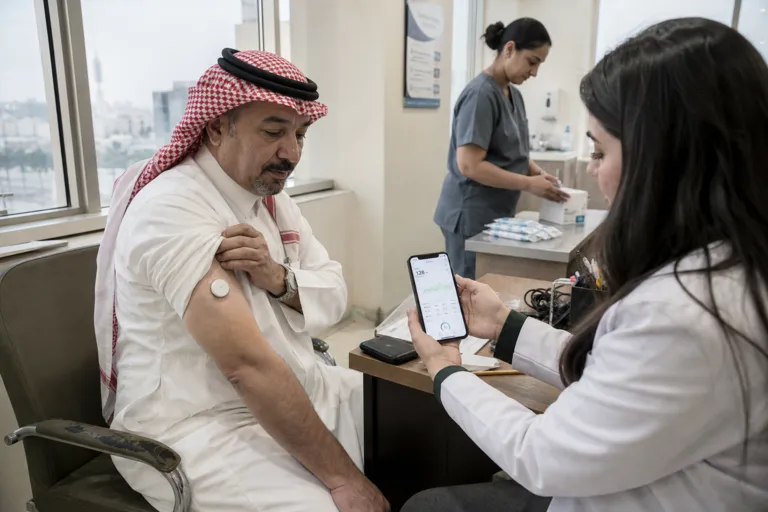
CGM is another key building block for better pathways. The Saudi consensus on CGM focuses on people with type 2 diabetes who are non-intensively managed. It says CGM is widely used for people with type 1 diabetes, and evidence suggests benefits can extend to people with type 2 diabetes. The consensus also argues that expanding CGM use requires changes in healthcare services, education, and attitudes across the country.
Digital therapeutics (DTx) sit between daily self-care and clinical visits. Mobility Foresights describes digital diabetes management as software platforms, smart devices, wearable sensors, and digital therapeutics that support real-time glucose monitoring, lifestyle coaching, medication tracking, and data analytics. A related Mobility Foresights report adds that hospitals and clinics are adopting digital platforms for patient data sharing and automated insulin adjustment. It also notes uncertainty from variations in reimbursement policies, while policymakers are gradually updating frameworks to include digital therapeutics under standard healthcare plans.
What does “saudi diabetes management” mean in this article?
How common is diabetes in Saudi Arabia according to the sources?
What benefits are reported for GLP-1 receptor agonists?
What is the forecast for Saudi Arabia’s digital diabetes market?
What needs to change to expand CGM use in non-intensively managed type 2 diabetes?