Blockchain started as a way to solve the “double-spending” problem in digital currencies like Bitcoin. Today, it is used beyond finance to improve transparency, security, and efficiency in many industries. In Saudi Arabia, blockchain use is still young, with industry-specific applications rather than wide cross-sector frameworks and comprehensive policies. In healthcare, the strongest stories focus on electronic health records, medical billing, and the pharmaceutical supply chain, because these areas depend on shared data and strong audit trails.
When people discuss saudi blockchain healthcare, it often turns into big promises about “transforming” everything at once. A better way is to look at where healthcare data breaks today. Sources describe fragmented systems, hard-to-audit records, and multi-party workflows where many organisations need a shared source of truth. Blockchain, as a distributed ledger with cryptographic security and immutability, is designed to record transactions in a way that is hard to change without detection.
One clear, measurable signal of rising interest is market growth. Grand View Research (2024), cited in a blockchain-in-healthcare guide, says the global blockchain in healthcare market was valued at $7.4 billion in 2023 and is projected to reach $215 billion by 2030. These figures are global, not Saudi-specific. But they help explain why healthcare organisations are testing where blockchain adds verifiable value, especially in billing and supply chains.
From Claims to Controlled, Auditable Workflows
Claims and billing are multi-party processes. They involve payers, providers, and other parties that must agree on what happened and what should be paid. One source notes that the most mature deployments focus on pharmaceutical supply chain integrity and billing transparency. The same source links these gains to immutability, because immutable audit trails can reduce disputes and support compliance by showing who did what and when.
Saudi-focused research also points to healthcare uses such as electronic health records and pharmaceutical supply chains. It says blockchain in these areas has improved control of patient data and drug traceability, supporting higher standards of care and safety. Separately, an implementation-focused article notes that a company is assisting a private healthcare provider in Saudi Arabia to make its data privacy systems more secure using blockchain. That kind of targeted, internal deployment fits a market that is “still very young.”
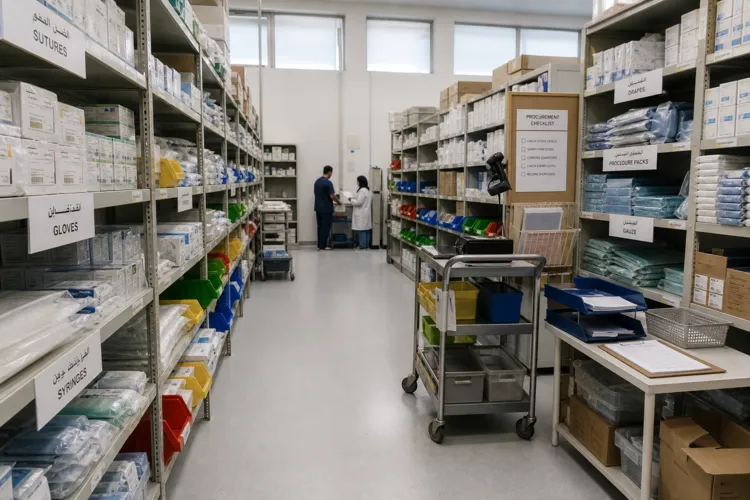
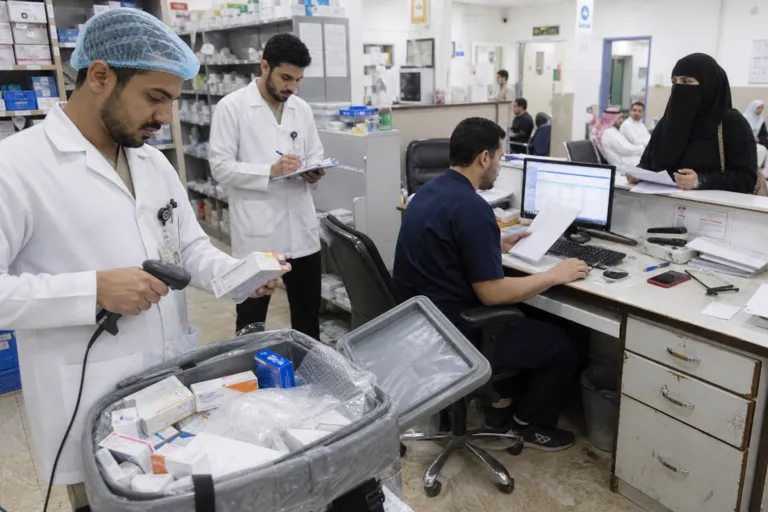
The drug supply chain is where blockchain’s transparency story becomes easiest to understand. A Saudi-focused study lists common backlogs in existing drug supply chain management. These include loss of information, limited ability to track proper medicinal storage, weak transparency of information sharing between stakeholders, and sequential access. Other sources explain that a decentralized, tamper-proof ledger can permanently record transactions across the drug lifecycle, and when combined with IoT and QR-based identification, it can support real-time monitoring of movement and storage conditions. This supports authenticity checks and better traceability from manufacture to end consumer.
What does “saudi blockchain healthcare” usually mean in real projects?
Why are billing and claims often mentioned as good blockchain targets?
What drug supply chain problems can blockchain address?
Is there evidence of momentum for blockchain in healthcare beyond Saudi Arabia?