
Rare diseases are hard to diagnose and hard to treat. In Saudi Arabia, the challenge is bigger because the country has lacked a unified definition and a unified national strategy in recent years. A 2023 multi-stakeholder workshop hosted with the Saudi Health Council highlighted how missing definitions can slow policymaking, resource planning, and orphan drug accessibility. This is why “saudi rare disease treatment” is not only a medical topic. It is also a health system topic.
Genetics sits at the center of this discussion. In the 2023 workshop, 91% of participants preferred including “Genetic” etiology in a national rare disease definition. Patient impact also mattered. Participants emphasized “life-threatening” (73%) and “considerable reduction in quality of life” (91%). The same workshop showed strong support (96%) for an integrated definition that combines qualitative and quantitative criteria, instead of relying on only one type of rule.
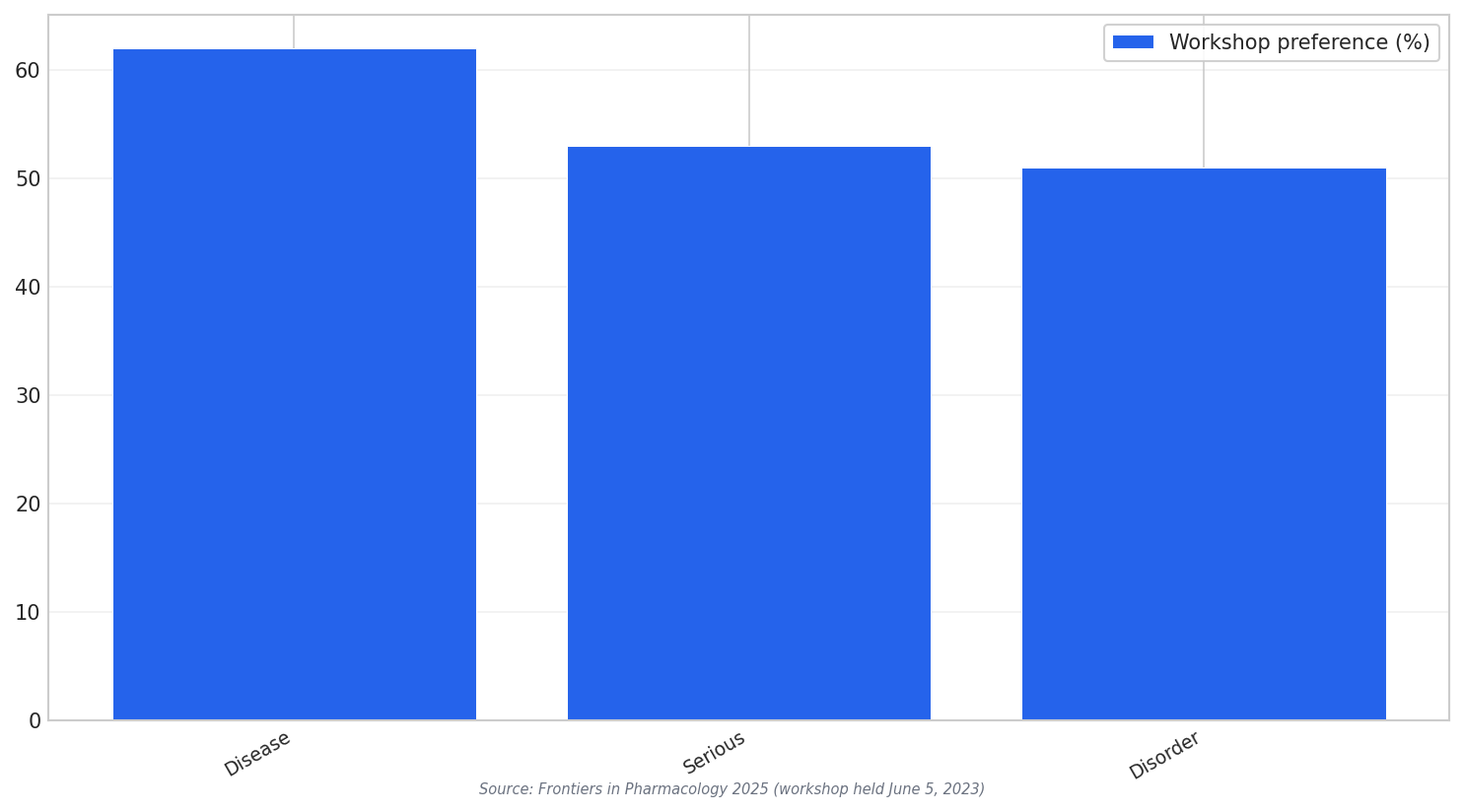
The workshop results also offer clear chart-ready signals about what language people want in a definition. The terms “Disease” (62%), “Serious” (53%), and “Disorder” (51%) were favored for clarity and broad use. These preferences matter because definitions guide who gets counted, who gets prioritized, and how pathways for care and reimbursement are designed.
Access, Pricing Pressure, and the Orphan Drug Pathway
Access problems are not only about medicines. A 2026 systematic review described major gaps, including limited access to specialized care and advanced therapies, and the absence of a national rare disease registry. It also noted that, despite governmental healthcare coverage, rare diseases can still place a financial burden on families due to indirect costs, limited availability of specialized therapies, and the need for long-term support. This shapes real-life access, even when a drug exists.
Drug pricing pressure is closely linked to the type of therapy being used. A MENA-focused briefing noted that advanced therapies such as gene therapy, cell therapy, and enzyme replacement are often one-time or ultra-expensive treatments. That makes evaluation and reimbursement decisions harder, especially when patient numbers are small and outcomes data can be limited.
Regulation is also shifting. In January 2026, the Saudi Food and Drug Authority (SFDA) granted orphan drug designations to Jascayd (nerandomilast) for idiopathic pulmonary fibrosis and to Sephience for another rare condition. In the same period, Quoin Pharmaceuticals filed for Breakthrough Medicine Designation for QRX003, described as a potential world-first treatment for Netherton Syndrome. The SFDA orphan drug designation does not equal product registration. It enables a sponsor to submit a marketing authorization dossier through a dedicated pathway, with final approval after comprehensive technical evaluation. The program includes priority regulatory review, pre-submission meetings, and time-limited market exclusivity.
What is blocking faster saudi rare disease treatment access?
What did the Saudi multi-stakeholder workshop recommend for defining rare diseases?
Do SFDA orphan drug designations mean a medicine is approved?
Why are gene and other advanced therapies hard to reimburse?