Growing demand in urology care often shows up first in the supplies that keep pathways moving: catheters, endoscopy accessories, and incontinence products. In Saudi Arabia, Fact.MR links demand for catheter categories such as cardiovascular catheters, angiography catheters, and balloon catheters to Vision 2030 healthcare investment and the expansion of specialty care capacity. The same source notes that procurement decisions are being shaped by IKTVA local content requirements and by alignment with international treatment protocols. Together, these drivers point to a system that is scaling infrastructure while tightening expectations around standards, sourcing, and clinical consistency across major hospital groups.
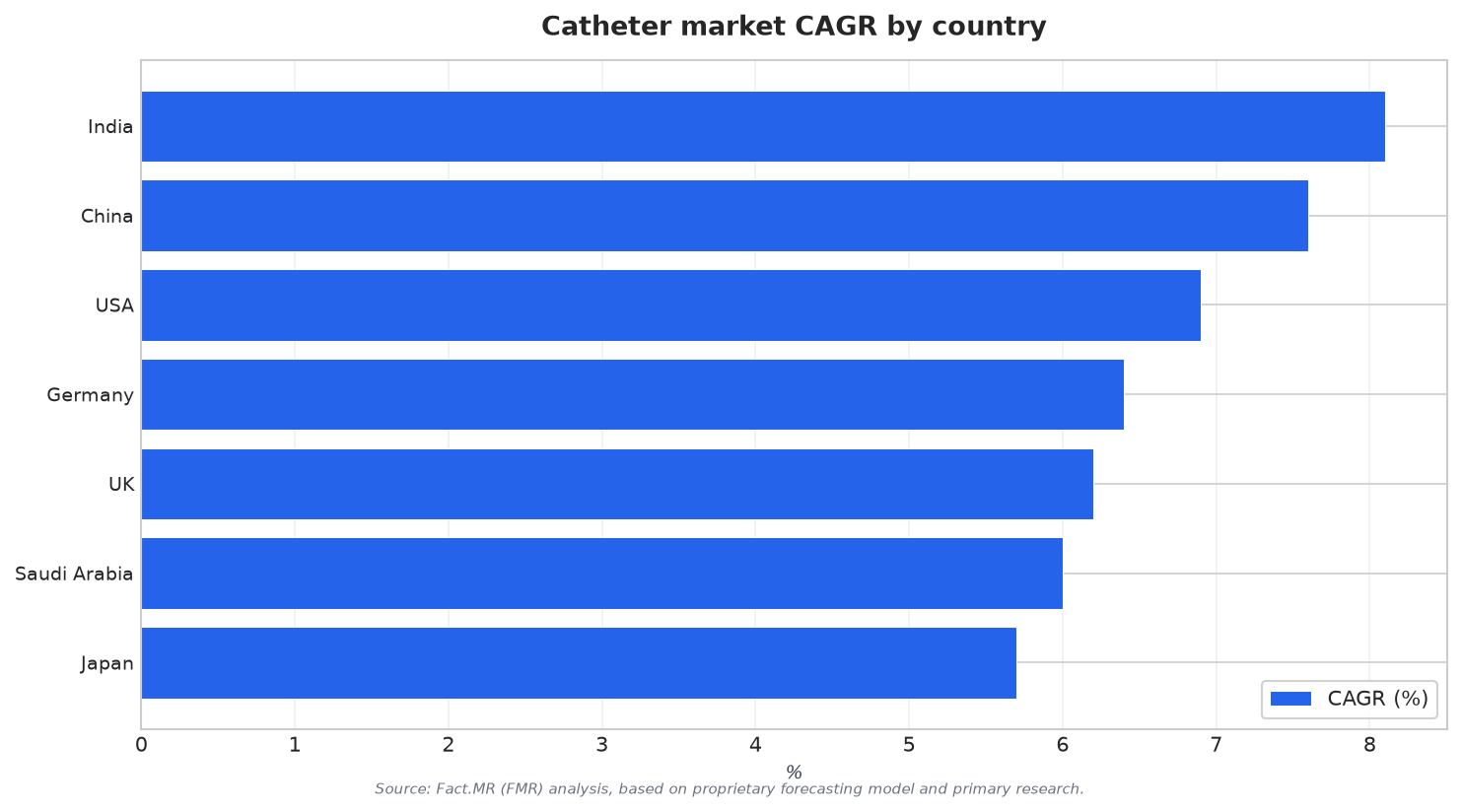
Forecasting signals add another layer to the story. In Fact.MR’s CAGR table for the catheter market by country, Saudi Arabia is listed at 6% CAGR, alongside figures for India (8.1%), China (7.6%), the USA (6.9%), Germany (6.4%), the UK (6.2%), and Japan (5.7%). This is not a urology-only measure, but it provides a relevant proxy for the broader push to build procedure capacity that depends on catheter-based workflows. For stakeholders tracking the Saudi urology market, the implication is practical: as procedure volumes and specialty access expand, readiness depends on procurement planning, inventory reliability, and supplier compliance with both local content and internationally benchmarked protocols.
What’s Shifting Inside Procedure Rooms and Supply Chains
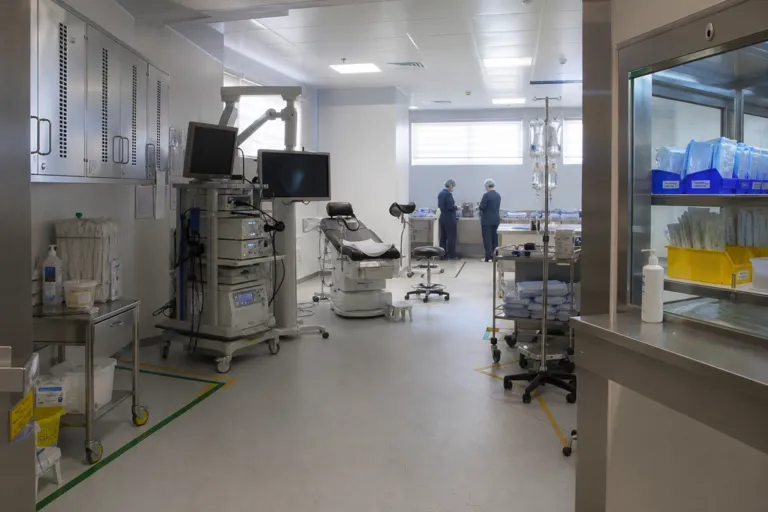
Across endoscopic care, the supply mix is also evolving toward disposable, safety-oriented kits. IndexBox reports that hospitals and ambulatory surgical centers are increasingly adopting disposable valve and seal kits to eliminate reprocessing burdens and reduce cross-contamination risks. The same analysis describes steady growth driven by rising screening and diagnostic endoscopic procedures, and highlights that demand is influenced by the expansion of endoscopic capacity in outpatient settings, reimbursement policies, and patient-safety requirements. For urology services that rely on endoscopic workflows, these dynamics matter because they shift purchasing from durable components to validated consumables, while also raising expectations for reliability and compatibility with monitoring equipment.
Patient needs outside the operating room are part of the same demand picture. Market.us states that adult diapers hold the largest market share in adult incontinence products at 49.8%. It also describes the Middle East and Africa region as an emerging market, and notes that Gulf Cooperation Council countries, particularly Saudi Arabia and the UAE, are witnessing higher adoption rates due to better healthcare facilities, rising expatriate populations, and increasing healthcare spending. At the same time, the source flags barriers, including cultural sensitivities around incontinence discussions, limited distribution networks in remote areas, and affordability concerns in several African nations. These conditions shape how home-care and institutional channels build awareness and access without relying on a one-size-fits-all approach.
Finally, resilience depends on the availability of therapies that sit squarely in urological oncology pathways. In Europe, Market Data Forecast reports that the therapy BCG segment accounted for 57.4% of the European market share in 2024, and cites recurring worldwide BCG shortages that compromise pediatric and oncology care. It adds that, according to the European Association of Urology, a significant proportion of European bladder cancer centres reported treatment delays or substitutions due to BCG unavailability, and that the UK NHS issued a national alert to prioritize highest-risk patients following a supply shortfall. While these figures are European, they offer a clear lesson for Saudi providers and suppliers: growth in capacity must be matched with supply continuity planning for high-dependence regimens where delays can force substitutions.
What is pushing demand growth in Saudi Arabia’s urology care ecosystem?
What growth rate does Fact.MR list for Saudi Arabia in catheter market forecasting?
Why are disposable endoscopic valve and seal kits gaining adoption?
Which adult incontinence product segment holds the largest share in the cited market data?
What does European BCG supply disruption suggest for urology oncology planning?