Building long-term and nursing care facilities in Saudi Arabia is becoming a system-level priority, not a niche add-on. Ken Research values Saudi Arabia’s long-term care services market at USD 9.6 billion, linking momentum to an aging population, chronic disease prevalence, and rising awareness of long-term support needs. Vision 2030 initiatives are repeatedly cited as a catalyst, with government attention shifting toward infrastructure, regulation, and service standards that extend care beyond acute hospital walls. Key demand centers highlighted include Riyadh, Jeddah, and Dammam, where healthcare investment and population growth are shaping service delivery and facility development.
Capacity planning is central to this next phase. Ken Research reports projections indicating a need for 20,000 to 30,000 additional long-term care and rehabilitative beds by 2030. This sits alongside broader healthcare infrastructure direction. Mordor Intelligence notes a national goal to add 27,000 beds by 2030, a signal of system-wide expansion that affects post-acute pathways and discharge planning. Financing and delivery models also matter because scaling long-term and nursing care requires more than buildings. Mordor Intelligence also describes a privatization roadmap covering 290 hospitals and 2,300 primary health centers, implying that long-term care builders and operators may need to align with evolving pay-for-performance expectations and quality metrics.
From Home Visits to Skilled Beds: Designing the Care Continuum
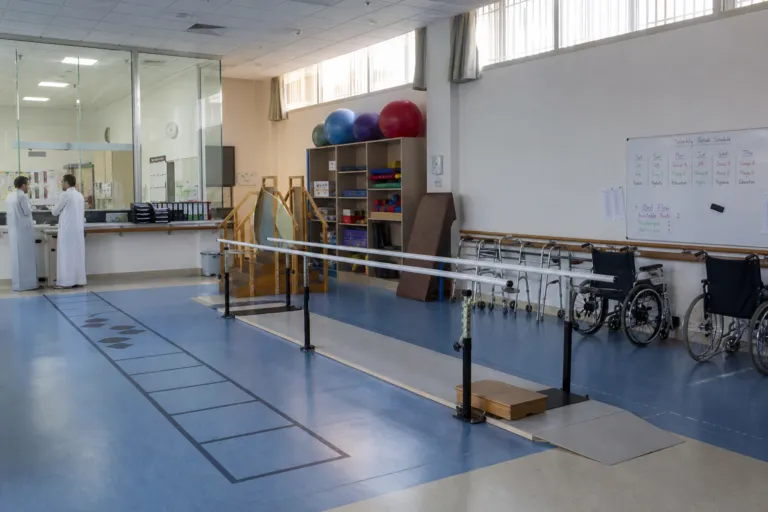
Facility strategy must match how care is actually being consumed. In Ken Research’s segmentation, home healthcare is the leading sub-segment, driven by preference for in-home solutions and supported by telehealth advances. It also reports that home healthcare visits in Saudi Arabia nearly doubled between 2014 and 2018, growing at 17.4% annually. That growth does not reduce the need for institutional care; it reshapes it. Builders can plan nursing care, assisted living, and rehabilitation capacity that complements home services, especially for step-down recovery and cases that exceed family caregiving capacity. End-user demand is also clear in Ken Research’s view: elderly individuals dominate, reinforcing the need for geriatric-ready layouts, staffing models, and infection control workflows.
Digital connectivity is now part of the long-term care facility blueprint, not a luxury upgrade. A smart-hospital ecosystem is described as expanding through government-driven initiatives, with deployment of automated pharmacy systems, 5G-connected devices, AI-enabled imaging, and EHR integration. For specialist coverage, the Seha Virtual Hospital is described as the world’s largest virtual hospital, delivering 44 specialties to 224 connected facilities. For long-term and nursing care operators, that kind of network can support remote consults, medication management, and continuity with tertiary centers, especially when new facilities are built outside major urban hubs. The same sources also describe a shift from paper-based systems to more automated, AI-driven environments, suggesting that future-ready long-term care facilities should design for interoperability from day one.
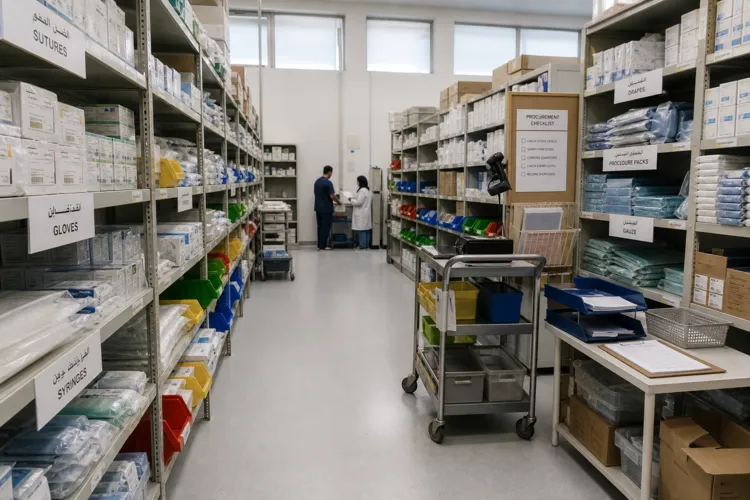
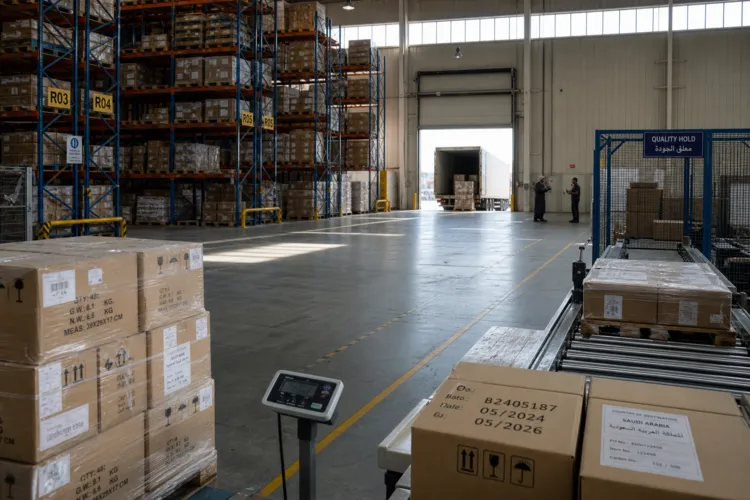
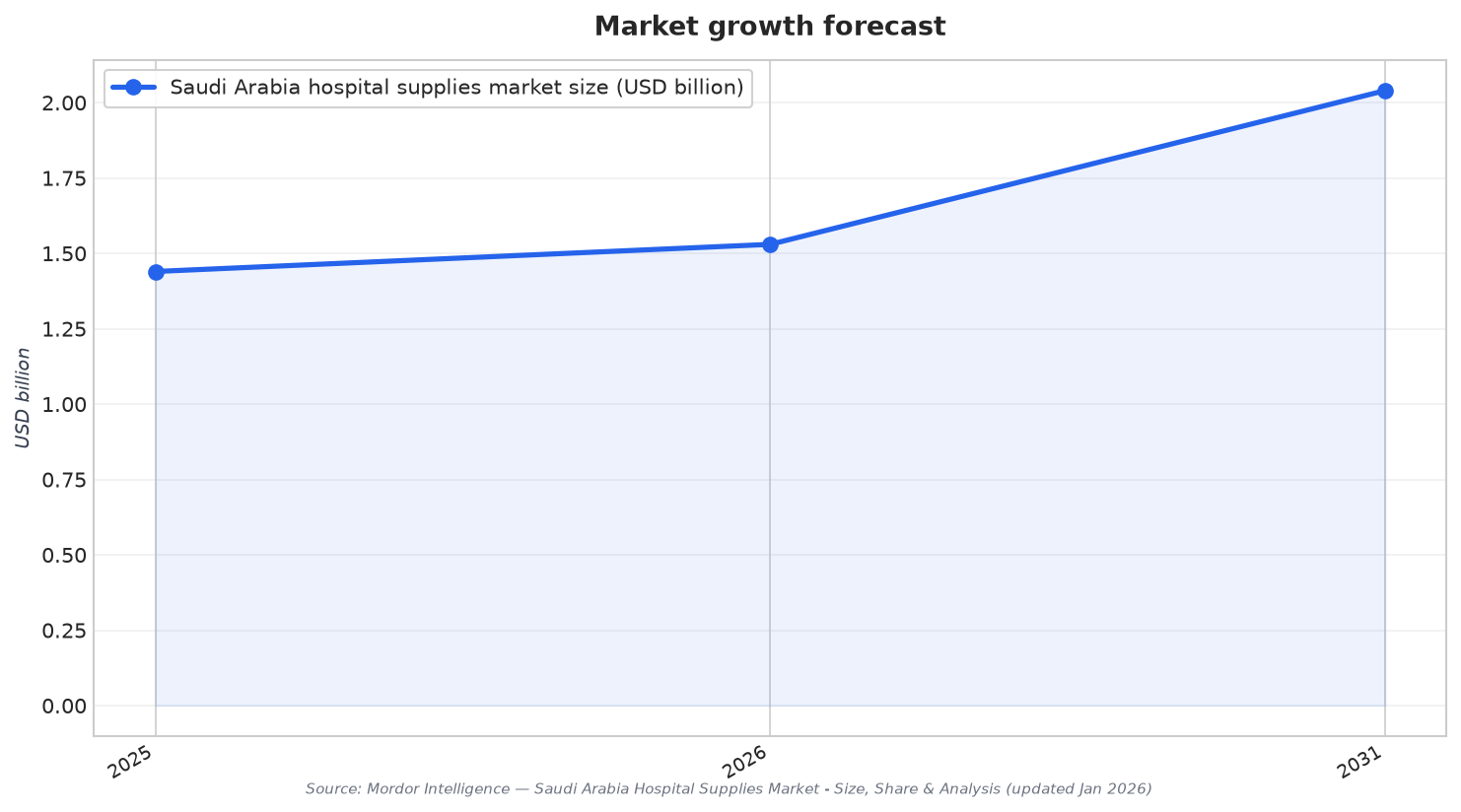
Operational readiness will be influenced by procurement and supplies, because long-stay care still consumes large volumes of disposables, wound-care products, and monitoring tools. Mordor Intelligence projects Saudi Arabia’s hospital supplies market to expand from USD 1.44 billion in 2025 and USD 1.53 billion in 2026 to USD 2.04 billion by 2031, with a CAGR of 5.92% from 2026 to 2031. It also reports that disposable hospital supplies held 48.81% share in 2025, while wound management is forecast to post the highest 8.23% CAGR from 2026 to 2031. These signals matter for builders and operators in the Saudi long-term care market because nursing facilities and rehab centers must plan storage, inventory control, and procurement processes that can handle high-throughput consumables while meeting tightening compliance and efficiency expectations.
How large is Saudi Arabia’s long-term care services market in the sources?
How many additional long-term care and rehabilitative beds could be needed by 2030?
What evidence shows home healthcare is expanding in Saudi Arabia?
How does virtual care connect to long-term and nursing facilities?
What supply-side trends should planners consider for the Saudi long-term care market?