Saudi Arabia’s “smile economy” is being built on a mix of demand for aesthetics, a larger care footprint, and faster-moving technology choices inside clinics. In the Saudi dental care market, the pull is not only clinical need, but also consumer preference for visible results, such as whitening, aligners, and veneers. Multiple sources point to the same direction: patients increasingly pursue appearance-led outcomes, while providers upgrade equipment and workflows to deliver them efficiently. That combination lifts activity across services, products, and the broader professional supply chain that supports daily dental practice.
Workforce scale matters in any healthcare boom, and Saudi Arabia has a large base to serve demand. According to the Ministry of Health, there are approximately 23,897 dentists in Saudi Arabia, a figure that helps explain why service delivery and product purchasing can expand in parallel. Rising disposable incomes are also highlighted as a factor that enables more people to afford care, while population growth increases the addressable need for dental services and products. At the same time, sources emphasize growing awareness of oral health, which supports preventive and restorative care demand alongside cosmetic procedures.
Cosmetic Demand and Digital Dentistry Are Reinforcing Each Other
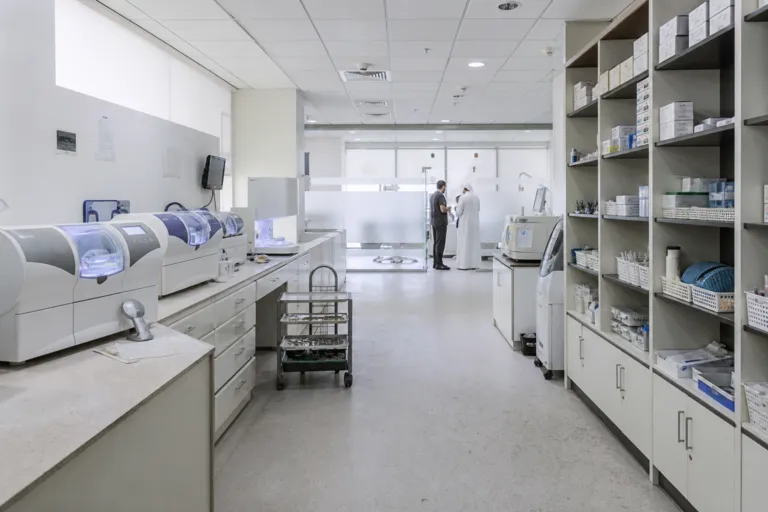
Cosmetic dentistry demand shows up repeatedly as a key engine of growth. One regional report anticipates growth being driven by more patients opting for aesthetic orthodontic treatment over traditional options. The same source concludes that residents of Saudi Arabia highly favor tooth-whitening treatments and links the pursuit of aesthetic results to higher need for intraoral scanners and the broader shift toward advanced tools such as CAD/CAM scanners. In the same Middle East & Africa context, technology like digital dentistry, AI support, teledentistry, intraoral cameras, and 3D printing is described as improving patient care, with wide embrace of newer diagnostic and treatment technologies.
Consumer behavior is also evolving, and social platforms are described as a direct commercial driver for consumables. One analysis states that social media is pushing demand for teeth whitening materials, clear aligners, porcelain veneers, and aesthetic crowns. It also describes Saudi Arabia as having a young demographic with a median age under 30, which aligns with higher participation in “camera-ready” smile trends. On the clinic side, the same source argues that more clinics mean more procedures, and more procedures mean expanding consumption of products at every level, especially as digital workflows require materials designed for these systems.
Behind the scenes, the product and supply ecosystem is becoming more structured and competitive. A Saudi-focused study frames the dental care products market as shaped by concurrent clinical, technological, and economic forces that redefine procedural standards and commercial expectations. Another overview notes that the dental supply market is dominated by international brands such as 3M, Ivoclar, Dentsply Sirona, Ormco, Straumann, and Nobel Biocare, while also naming local distributors including Bashier, Kafuo, Medical Palace, Themar Al Jazzier, GSMS, Al Turki, Manarah, Aljeel, and AlMassar. For businesses, the opportunity is increasingly about matching aesthetics-led demand with reliable procurement, modern equipment, and consumables that fit digital production.
What is driving growth in Saudi Arabia’s dental care market?
How many dentists are there in Saudi Arabia?
Which cosmetic treatments are influencing demand for dental products in Saudi Arabia?
What technologies are being adopted to support modern dental care workflows?