Foreign manufacturers looking at Saudi Arabia face a market that is large, government-influenced, and increasingly selective about who wins. Saudi Arabia’s medical device market is valued at approximately $2.8 billion as of 2024, and it is described as the largest medical device market in the GCC region. On the demand side, MedEnvoy notes healthcare spending reached $25 billion in 2023, and Vision 2030 initiatives include government healthcare investments totaling more than $64 billion through 2030. Those numbers make the opportunity real, but the route to revenue runs through clear regulatory planning and a procurement strategy designed for the Kingdom’s buying structure.
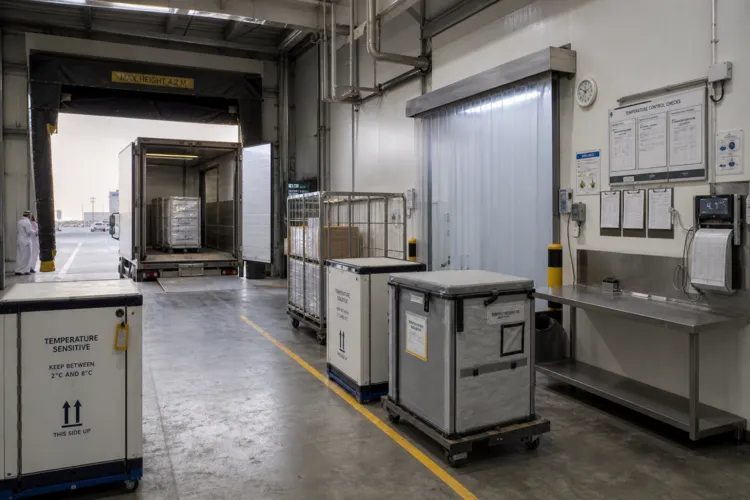
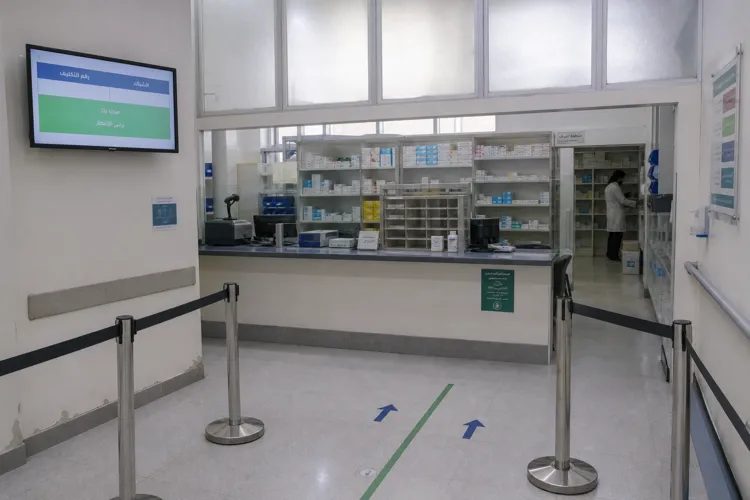
Start by mapping how buying decisions actually get made. NUPCO (the National Unified Procurement Company) was established by Royal Decree in 2009 and is wholly owned by PIF. It is positioned as the largest centralized medical procurement, warehousing, and distribution entity in the Kingdom, with annual procurement exceeding SAR 25 billion (about $6.7 billion). The government tender market alone is valued at SAR 21 billion (about $5.6 billion). NUPCO serves over 500 public hospitals and health centers and integrates with nearly 5,000 private pharmacies through Wasfaty. For a foreign entrant, these figures signal scale, but also concentration: one procurement channel can determine access to a large portion of public demand.
Build the Entry Plan Around Localization and the Tender Reality
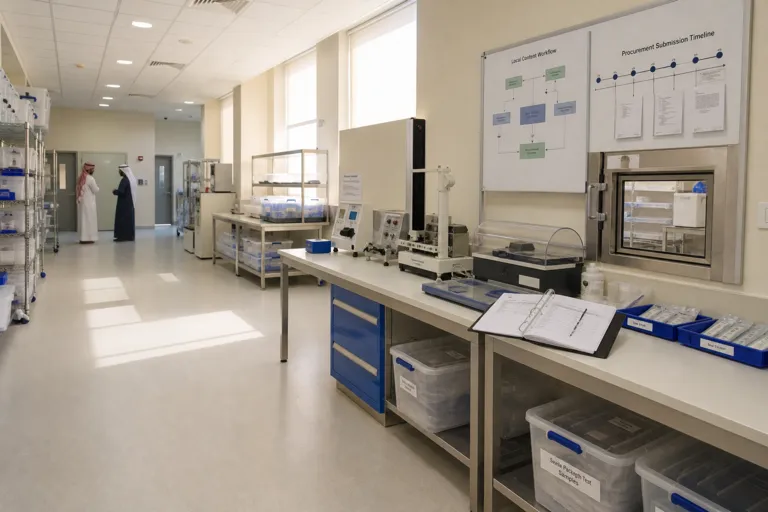
A credible Saudi medical device market entry strategy must now account for localization pressure, not just registration. MedDeviceGuide reports that in 2026 NUPCO began actively rejecting foreign bids when a local alternative exists, supported by LCGPA and the “Made in Saudi” program. In parallel, Vision 2030 explicitly targets reducing healthcare imports from 90% to 75%, creating opportunities for international companies willing to establish a local presence. Regional manufacturing context matters too: Market Data Forecast cites SFDA data indicating domestic manufacturing remains below 15% of total consumption (noting Saudi Arabia and the UAE are attempting to localize production through industrial incentives). Together, these points make local partnerships and local content evidence a commercial requirement, not a marketing line.
Regulatory and resourcing assumptions should be explicit in the business case. MedEnvoy estimates initial investments ranging from $150,000 to $500,000 for regulatory compliance, market research, and establishing local representation. It also states registration costs alone can range from $15,000 to $75,000 per device category, depending on classification and documentation complexity. For market sizing logic, the same source places medical devices at roughly 15% of total healthcare spending, while also noting market growth projected at 7.2% annually through 2028. Operationally, MedEnvoy highlights that an Authorized Representative can handle multiple device categories or an entire portfolio, which can simplify execution when paired with a clear internal ownership model for submissions, labeling, and post-market responsibilities.
Finally, align product focus and commercialization routes to where demand is described as strongest and where procurement is evolving. MedEnvoy identifies diagnostic imaging equipment, cardiovascular devices, and diabetes management systems as the highest-opportunity segments in Saudi Arabia’s medical device market. Market Data Forecast notes that in February 2023 Medtronic launched the Micra AV2 leadless pacemaker in Saudi Arabia, illustrating ongoing adoption of advanced cardiac technologies in major hospitals. MedDeviceGuide also emphasizes that the Saudi government is the dominant buyer of medical devices and supplies, with government purchasing representing 54% of total market spend (stated in the context of the broader pharmaceutical and medical device market discussion). Put together, the playbook is clear: win the public channel through NUPCO readiness and localization proof, while building complementary access routes as privatization diversifies purchasers.
What makes Saudi Arabia a priority market for foreign medical device companies?
How does NUPCO influence market access in Saudi Arabia?
How should a Saudi medical device market entry strategy address localization?
What budgeting ranges should companies consider for entry planning?
Which device segments are highlighted as high-opportunity in Saudi Arabia?