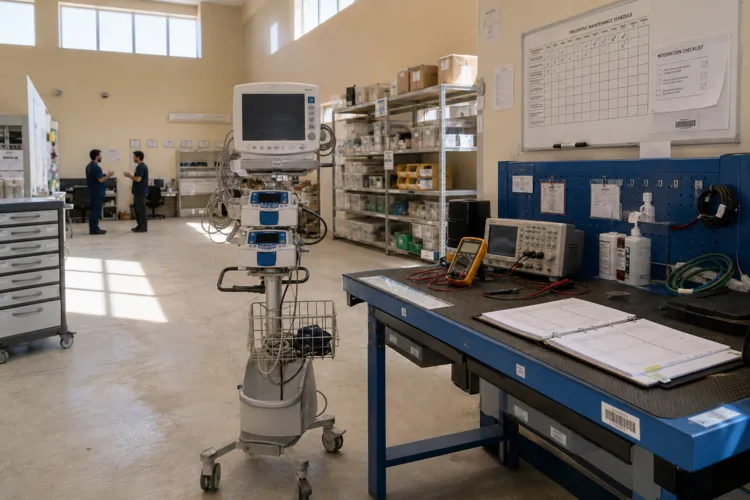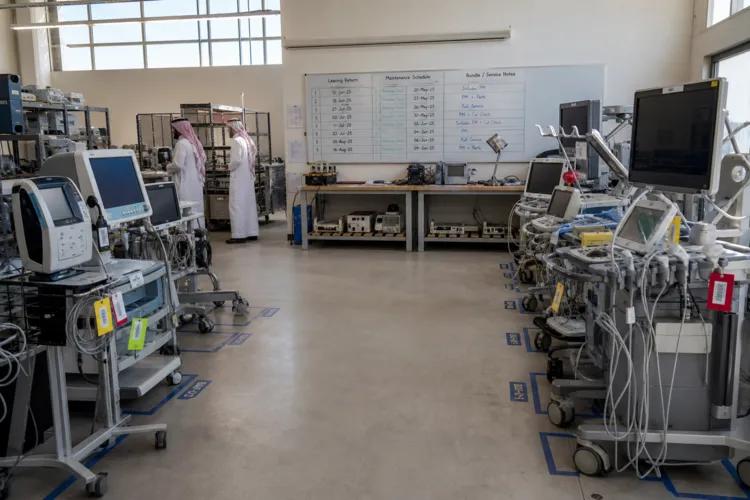
Always-on care is becoming a practical goal in Saudi Arabia as healthcare organizations extend monitoring beyond clinic walls. Under Vision 2030, hospitals are investing in technologies that support virtual care services, stronger infrastructure, and better patient experience, while also responding to rising chronic disease prevalence and demand for long-term care management. Remote oversight can support care coordination across multi-facility networks and give clinicians continuous visibility into high-risk patients, including people living with diabetes, hypertension, and respiratory diseases. In parallel, smart hospitals are adopting integrated digital foundations—such as electronic health records (EHRs), telemedicine, mobile apps, and AI tools—that make continuous monitoring and follow-up more feasible across regions.
Market signals reinforce the direction of travel. One Saudi-focused market estimate values the Kingdom’s remote patient monitoring (RPM) market at USD 274.4 million in 2026 and projects USD 457.0 million by 2031, reflecting a 10.7% compound annual growth rate through 2031. The same outlook links sustained growth to Saudi Arabia’s healthcare digitalization agenda under Vision 2030, with a stated focus on preventive care, patient engagement, and reducing hospital readmissions through connected monitoring technologies. For chronic care, this framing matters because it positions RPM not only as a device purchase, but as part of a broader push to modernize care pathways and keep patients stable between visits.
From Standalone Monitors to Connected Chronic-Care Workflows
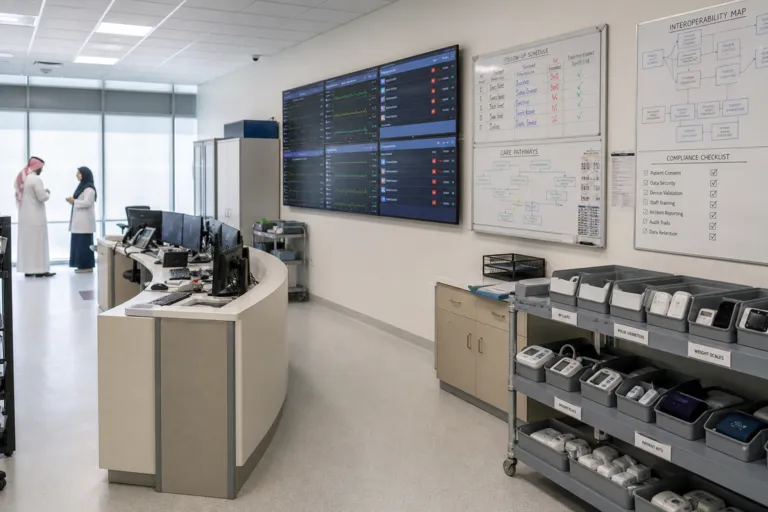
The operational shift is increasingly about networked workflows, not isolated readings. In Saudi Arabia’s next generation patient monitoring devices market, adoption of Internet of Medical Things (IoMT) and cloud-based patient data platforms is described as accelerating, with an estimated 40–50% of new hospital tenders in 2025–2026 specifying real-time data integration with EHRs. Replacement cycles for conventional patient monitors—estimated at 8–10 years for Saudi hospitals—are also described as compressing toward 6–7 years as facilities upgrade to devices that offer predictive analytics, alarm fatigue reduction, and interoperability with telemedicine hubs. For chronic care teams, these changes can reduce gaps between inpatient, outpatient, and remote follow-up by making data more usable across locations.
Care settings are also broadening. Home care environments are increasingly adopting remote patient monitoring devices to support continuous assessment, early risk identification, and routine chronic disease management outside hospitals. This aligns with the reported expansion of point-of-care and ambulatory monitoring segments in Saudi Arabia, where portable and wearable device procurement is estimated to grow 12–15% annually, faster than centralized ICU monitoring, amid growth in primary care clinics and home healthcare programs under the Health Sector Transformation Program. Tele-ICU services add another layer by enabling continuous critical-care supervision through real-time monitoring and remote specialist access, particularly relevant in a country where extending high-quality care across every region is an explicit objective.
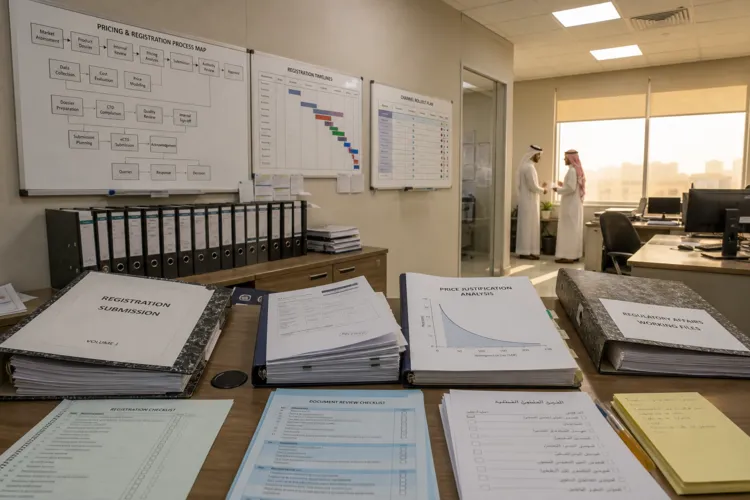
Implementation, however, is shaped by procurement and compliance realities. The next generation monitoring market is described as over 80% import-dependent, with the United States, Germany, and China identified as primary supply origins for high-acuity monitoring platforms, while local activity is limited to value-added distribution partnerships rather than full-scale manufacturing. Advanced component lead times are described at 20–30 weeks, and certification and listing processes can take 12–18 months under SFDA regulation and National Unified Procurement Company (NUPCO) requirements. At the same time, premium integrated systems—including multi-parameter central station monitors, wearable telemetry patches, and remote monitoring platforms—are estimated at 55–65% of procurement value, with 30–50% price premiums linked to SFDA quality standards and hospital accreditation requirements.
How fast is Saudi Arabia’s remote patient monitoring market projected to grow?
What is pushing hospitals toward connected monitoring systems in Saudi Arabia?
How does home-based care factor into chronic care monitoring?
What procurement and regulatory constraints can slow device upgrades?
What does Saudi remote patient monitoring mean for multi-facility healthcare networks?