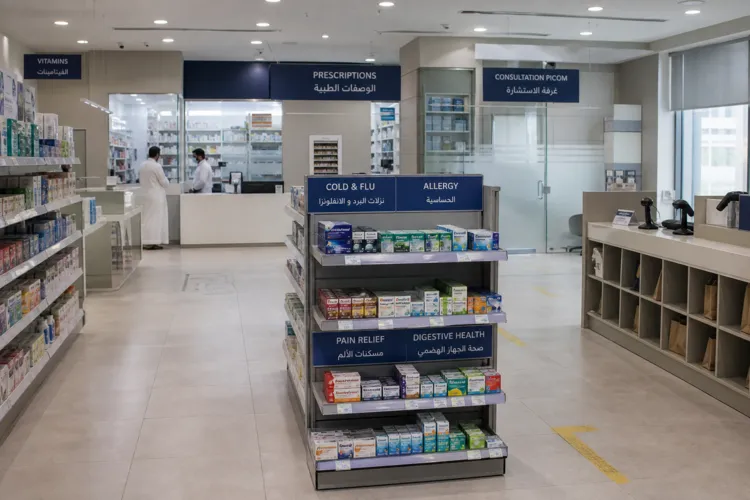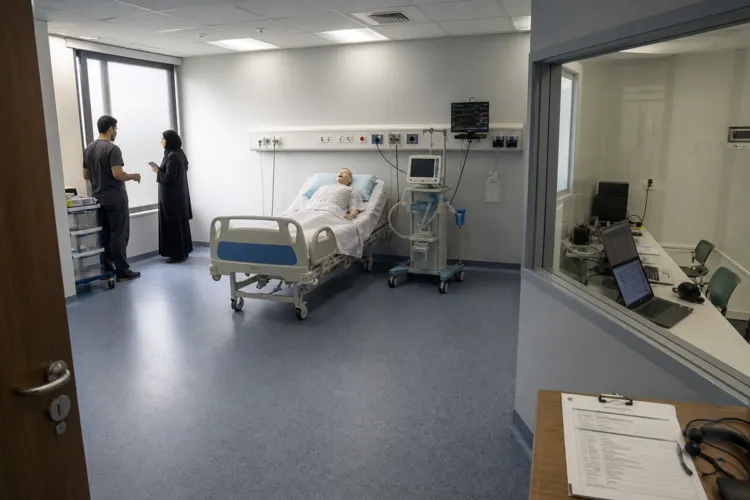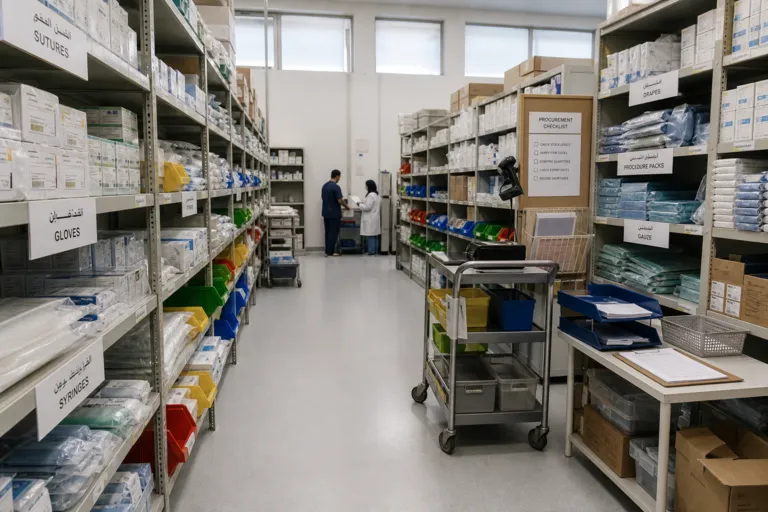
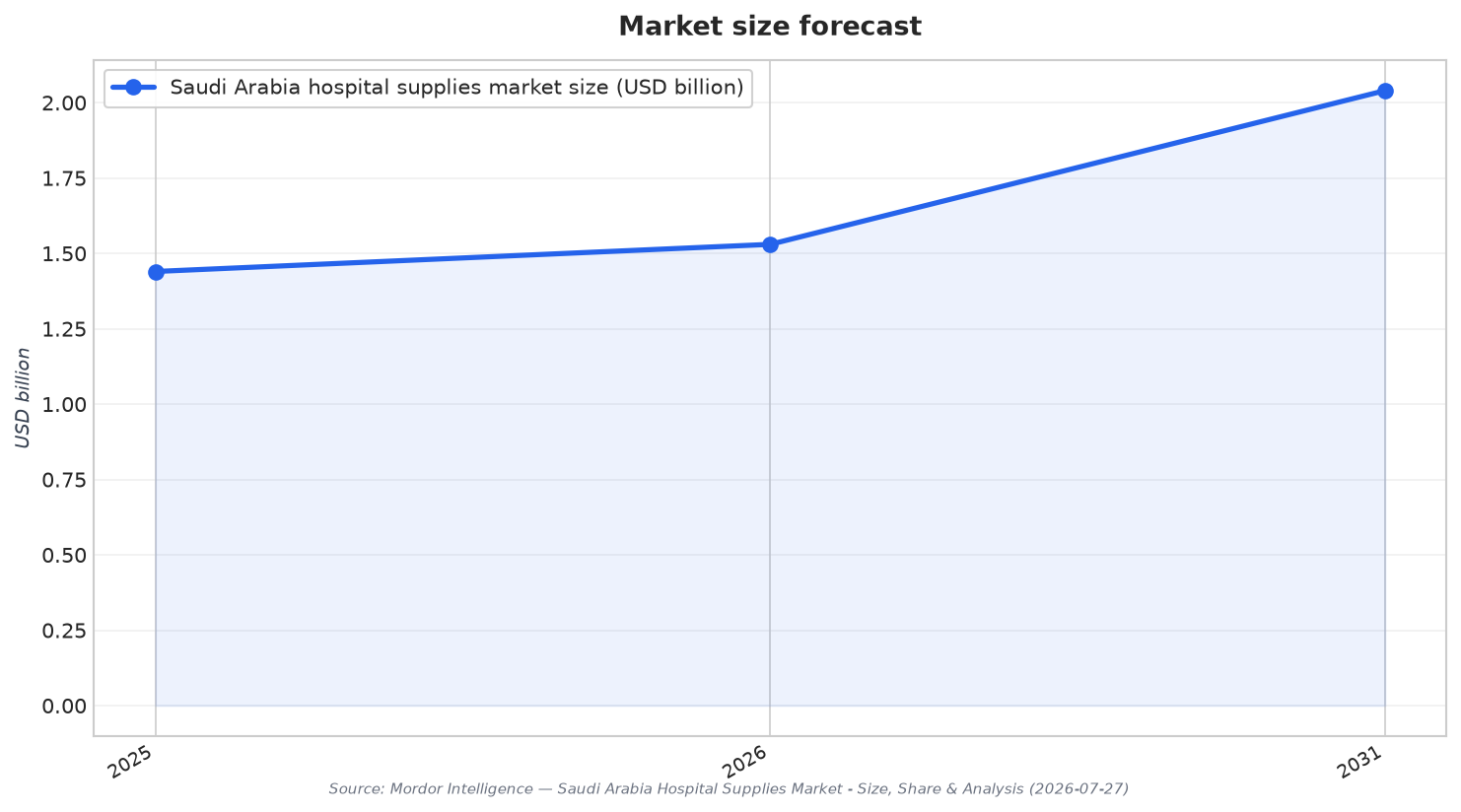
In Saudi Arabia, the everyday items that keep operating rooms and wards running are increasingly viewed as strategic supply lines. This is clear in the Saudi Arabia hospital supplies market outlook from Mordor Intelligence, which projects expansion from USD 1.44 billion in 2025 and USD 1.53 billion in 2026 to USD 2.04 billion by 2031, at a 5.92% CAGR from 2026 to 2031. Within that same analysis, disposable hospital supplies held 48.81% share in 2025, and surgical and trauma care led applications with a 37.73% revenue share in 2025. These signals matter for suppliers of drapes, gowns, wound kits, and procedure packs because volume growth tends to follow bed expansion and surgical throughput.
Policy and epidemiology also shape demand patterns. Mordor Intelligence notes Vision 2030 health and social development allocations of SAR 260 billion in the 2025 budget, a 12% increase from the previous year, with funding supporting 12 new medical cities and upgrades to 150 existing facilities. The same source links higher consumption of disposables and wound-care kits to chronic disease indicators, stating diabetes affects 18.5% of adults and cardio-metabolic disorders account for more than one-third of deaths. On the utilization side, Grand View Research cites a Saudi Gazette (March 2023) disclosure that over 290,000 noncritical surgeries were conducted in 2022, including around 49,600 surgeries in the Riyadh region, reinforcing why consistent access to sterile single-use products remains central to service delivery.
Localization, Compliance, and Faster Procurement Cycles
For the Saudi surgical consumables market, growth is tightly linked to how procurement and compliance are evolving. Mordor Intelligence highlights that NUPCO’s digital marketplace shortens tender cycles and puts pressure on inefficient distributors, while ISO 13485 compliance is mandatory for all devices entering NUPCO tenders. MarkWide Research similarly points to tightened SFDA registration enforcement redirecting hospital procurement toward pre-qualified international suppliers with established quality systems, while Vision 2030 localization incentives create joint-venture opportunities for domestic production of syringes and examination gloves. These shifts change what “competitive” looks like: not only price, but also registration readiness, validated sterilization processes, and the ability to supply at scale under aggregated tenders.
Category dynamics differ across consumables and adjacent surgical technologies, but both influence everyday purchasing decisions. In electrosurgical equipment, IndexBox estimates import dependence remains high, with overseas suppliers accounting for an estimated 80–90% of total unit supply, and notes an SFDA registration timeline of 6–12 months for new suppliers. It also reports reusable variants now represent 45–55% of electrode unit sales, reflecting a shift toward reusable and hybrid options for cost-per-procedure optimization and sustainability initiatives. IndexBox adds that digital inventory management and vendor-managed inventory models can reduce lead times from an average of 8–12 weeks to 4–6 weeks for standard consumables. Together, these points show why suppliers are investing in inventory programs, compliance, and product mixes that balance single-use safety with operating cost discipline.
Market sizing and growth expectations vary by report and definition, so scope clarity matters when planning. IMARC values the Saudi Arabia hospital supplies market at USD 438.2 million in 2025 and projects a 5.04% CAGR during 2026–2034, while Mordor Intelligence projects USD 1.44 billion in 2025 rising to USD 2.04 billion by 2031. For medical disposables, MarkWide Research values Saudi Arabia’s market at $1.48 billion in 2026 and projects $2.91 billion by 2035 at a 7.80% CAGR, while Precedence Research evaluates the medical disposables market at USD 10.66 billion in 2025 and expects it to grow around USD 60.2 billion by 2035 at a CAGR of 18.9% from 2026 to 2035. Read together, the practical takeaway is consistent: suppliers that align with SFDA requirements, NUPCO tender expectations, and localization mandates are positioning for sustained demand across hospitals, clinics, and ambulatory settings.
What is driving growth in Saudi Arabia’s surgical consumables demand?
How large is the Saudi Arabia hospital supplies market according to published reports?
What do the sources say about import reliance and supplier qualification timelines?
How are lead times and inventory practices changing for standard consumables?
What trends matter most in the Saudi surgical consumables market for manufacturers and distributors?