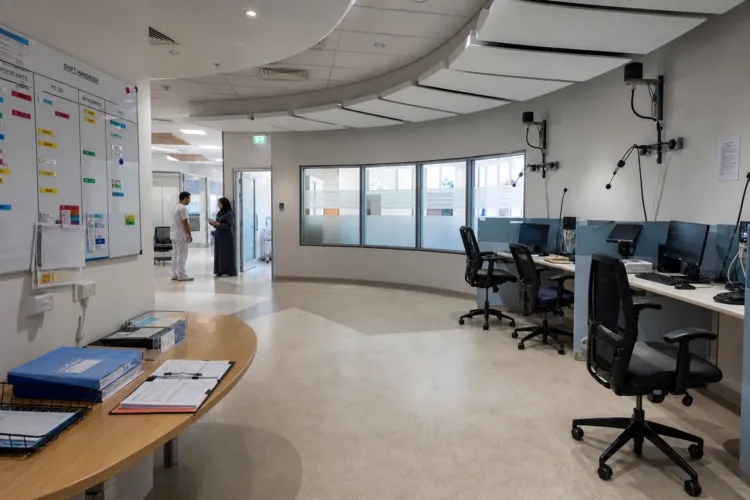
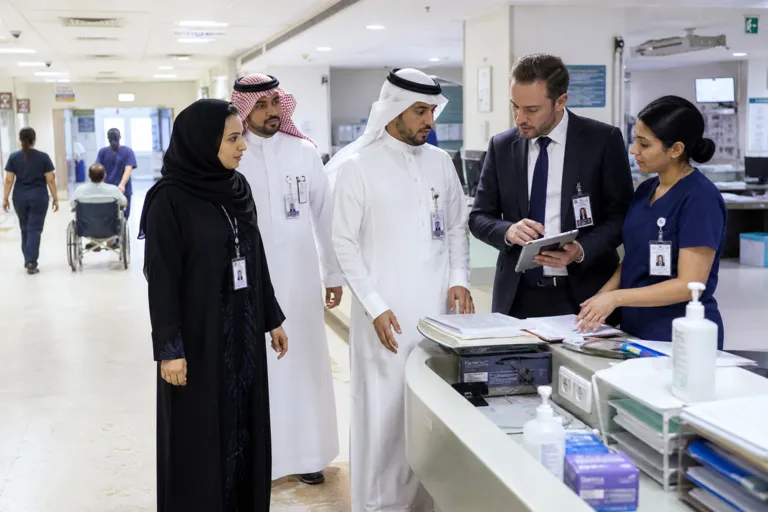
CBAHI accreditation is a national approach to patient safety and quality in Saudi hospitals. CBAHI is the official body responsible for setting and maintaining healthcare quality and patient safety standards across hospitals, clinics, and medical centers in the Kingdom. When a hospital becomes accredited, it shows it has met rigorous standards for patient care, infection control, management, and clinical operations. Many people see it as a symbol of trust, quality, and safety.
CBAHI has a long development story linked to national quality efforts. The Makkah Region Quality Program (MRQP) was set up in 2001 to improve healthcare quality in the Makkah region. In 2005, a ministerial decision changed the name to the Saudi CBAHI and gave it full authority over accreditation across the Kingdom. In 2006, the first group of national hospital standards was created with help from public and private quality experts. In 2012, the second set of national hospital standards was officially approved by the International Society for Quality in Healthcare (ISQua).
In Saudi Arabia, CBAHI accreditation is not treated as a “nice to have.” Multiple sources explain that accreditation is mandatory, and it is also a prerequisite for renewal of the operating license. A systematic review notes that the Ministry of Health mandated CBAHI accreditation as necessary for institutions’ operating licenses to be renewed. This requirement applies across institution types, including hospitals, polyclinics, blood banks, and medical laboratories.
How CBAHI Standards Push Real Safety and Quality
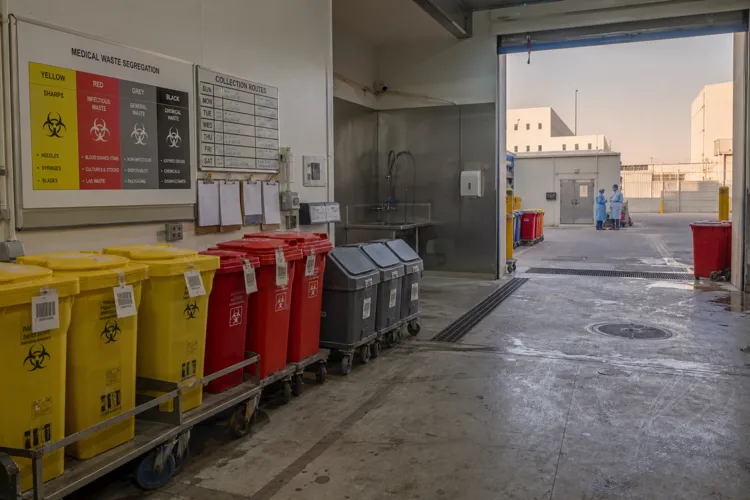
CBAHI standards are designed to guide continuous improvement and consistent care. Core areas commonly highlighted include patient safety and quality care, leadership and management, infection prevention and control, facility and equipment management, human resources and training, and clinical care and patient rights. These standards aim to reduce medical errors, manage risks, strengthen governance, and protect patient dignity and confidentiality. CBAHI has also established national standards across multiple service types, including hospitals, primary healthcare centers, clinical laboratories, blood banks, ambulatory healthcare centers, dentistry centers, home healthcare services, and acute coronary syndrome services.
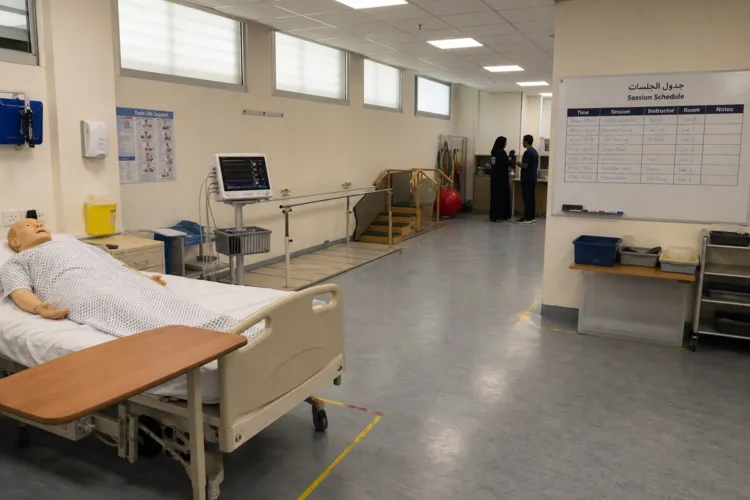
Hospitals often feel the standards most strongly in the physical environment and equipment controls. CBAHI requirements can guide medical department design, equipment installation, maintenance protocols, and patient safety measures. For example, one hospital-equipping source notes that isolation rooms may need HEPA filters designed to remove 99% of contaminants, which requires precise engineering. The same source also points to operating rooms needing advanced ventilation systems and high-quality surgical lighting to support sterile conditions.
The accreditation journey is structured. One guide describes starting with application and registration through an online portal, followed by a self-assessment phase using a detailed checklist to find gaps. Hospitals then build or update key documentation such as policies and procedures to align daily work with required standards. Training also matters. A professional program focused on CBAHI standards highlights practical skills like conducting self-assessments, analyzing gaps, building improvement plans, and preparing for on-site audits, while fostering a culture of quality and patient safety.
Is CBAHI accreditation mandatory in Saudi Arabia?
What areas do CBAHI standards focus on in hospitals?
How does CBAHI accreditation connect to Vision 2030?
What is a typical early step in the CBAHI accreditation process?