Heat and airborne dust challenge healthcare delivery in Saudi Arabia because hospitals must keep patients safe while maintaining stable indoor conditions. That pressure is rising as the system expands and shifts toward a mixed public-private model with universal insurance coverage. Invest Riyadh’s Healthcare Tracker puts current capacity at 2.58 beds per thousand, compared with an OECD average of 4.3, and notes a median age of 31.8 as context for demand patterns. Riyadh leads with 3.10 beds per thousand and the highest private sector share at 42%, reflecting the concentration of tertiary care facilities in the capital. The private sector’s share of total beds has increased from 26% to 34%, tracking toward a 2030 target of 44%.
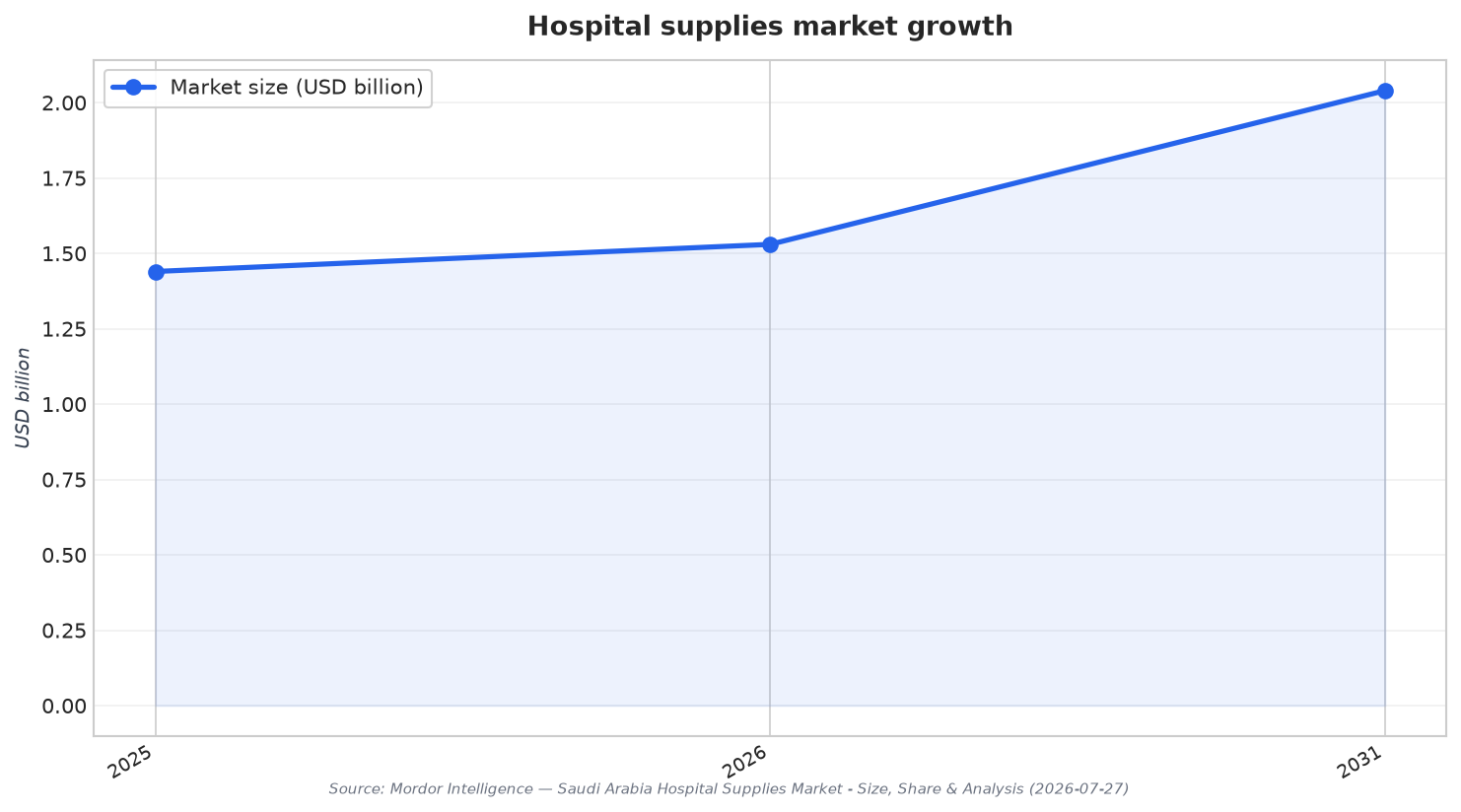
Resilience also depends on what hospitals buy and how reliably they can operate during high-stress seasons. In the Saudi Arabia hospital supplies market, Mordor Intelligence projects expansion from USD 1.44 billion in 2025 and USD 1.53 billion in 2026 to USD 2.04 billion by 2031, with a 5.92% CAGR from 2026 to 2031. Disposables held 48.81% market share in 2025, and hospitals captured 64.38% of spending. Surgical and trauma care led with a 37.73% revenue share in 2025, while wound management is forecast to grow at an 8.23% CAGR from 2026 to 2031. These categories matter in climate-ready planning because infection prevention, sterility, and rapid turnover can become harder when facilities run hotter and busier.
Where Heat Hits Hospitals First: Cooling Loads, Energy, and Operations
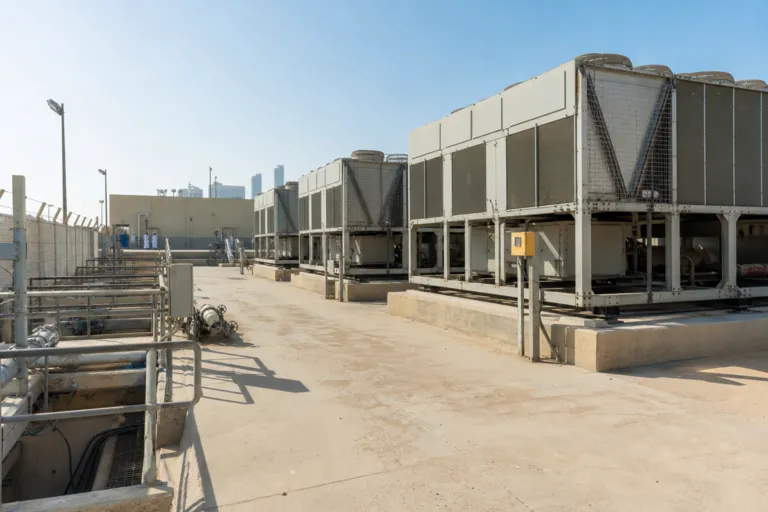
A Saudi tertiary hospital carbon-footprint study, shared via ResearchGate, highlights why climate conditions must be built into operational planning. Seasonal analysis of the facility’s emissions shows pronounced temporal variability in grid electricity consumption, with emissions peaking during the summer months and reaching their maximum in July. The study says this pattern mirrors ambient temperature trends in Saudi Arabia and reflects intensified cooling demand during periods of extreme heat. It also finds that grid electricity and refrigerants are priority leverage points for emissions reduction in this hot-arid setting. For a Saudi climate health resilience agenda, the takeaway is straightforward: resilience is not only about buildings, but also about seasonal operating rhythms that affect power use, indoor comfort, and service continuity.
Financing and system redesign shape whether those operational fixes can scale. Mordor Intelligence reports that Vision 2030 allocates SAR 260 billion for health and social development in the 2025 budget, representing a 12% increase from the previous year. The same source links funding to 12 new medical cities and upgrades to 150 existing facilities, and it references a national goal to add 27,000 beds by 2030. It also describes a privatization roadmap covering 290 hospitals and 2,300 primary health centers. In practical terms, procurement, maintenance, and performance incentives can be aligned so cooling efficiency, safer refrigerant management, and infection control readiness are treated as core service requirements, not optional add-ons.
Digital health can support climate-ready care by reducing unnecessary travel and extending clinical reach when conditions strain facilities. IMARC values Saudi Arabia’s digital health market at USD 4.4 billion in 2024 and expects it to reach USD 15.3 billion at a 13.20% CAGR during 2025–2033. The same report notes collaboration involving Seha Virtual Hospital to enhance cancer treatment and digital health through AI-powered telemedicine, and it describes a February 2025 launch of Aster DM Healthcare’s myAster platform in Saudi Arabia to monitor vitals, view lab reports and medical history, and manage chronic diseases like diabetes and hypertension. Used well, these tools can help hospitals focus in-person capacity on acute care while maintaining continuity for chronic patients during extreme seasonal demand.
How is Saudi Arabia’s hospital bed capacity changing, and why does it matter for climate-ready care?
What does the Saudi tertiary hospital carbon-footprint study say about seasonal stress?
Which hospital supply categories are largest in Saudi Arabia, and what is growing fastest?
How big is Saudi Arabia’s digital health market, and how can it support resilience?
What does “Saudi climate health resilience” look like in practical hospital planning terms?