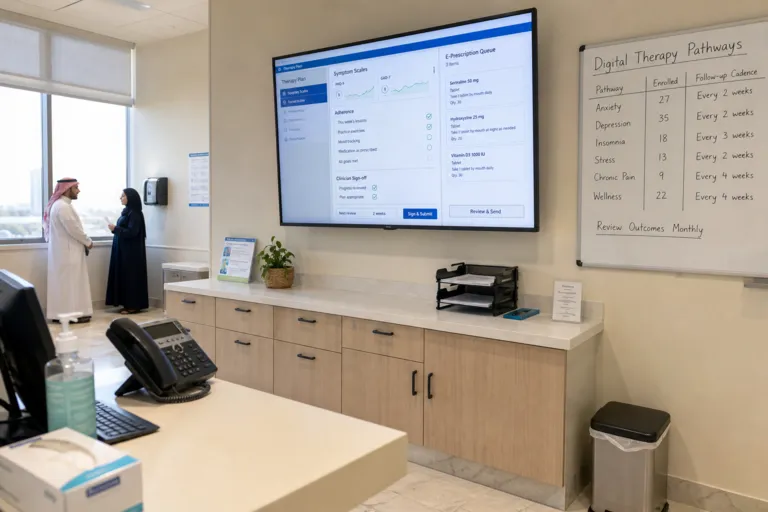
Prescribing is changing. It is no longer limited to pills and devices. Digital therapeutics are software programs that deliver evidence-based therapeutic interventions directly to patients to prevent, manage, or treat medical disorders. That definition matters because it separates regulated therapeutic software from general wellness apps. As prescription digital therapeutics emerge as a formal product category, healthcare systems are rethinking how they classify, reimburse, and prescribe software-based interventions. This change also connects to prescribing software foundations already in use, including electronic prescribing that standardizes medication orders and supports structured workflows.
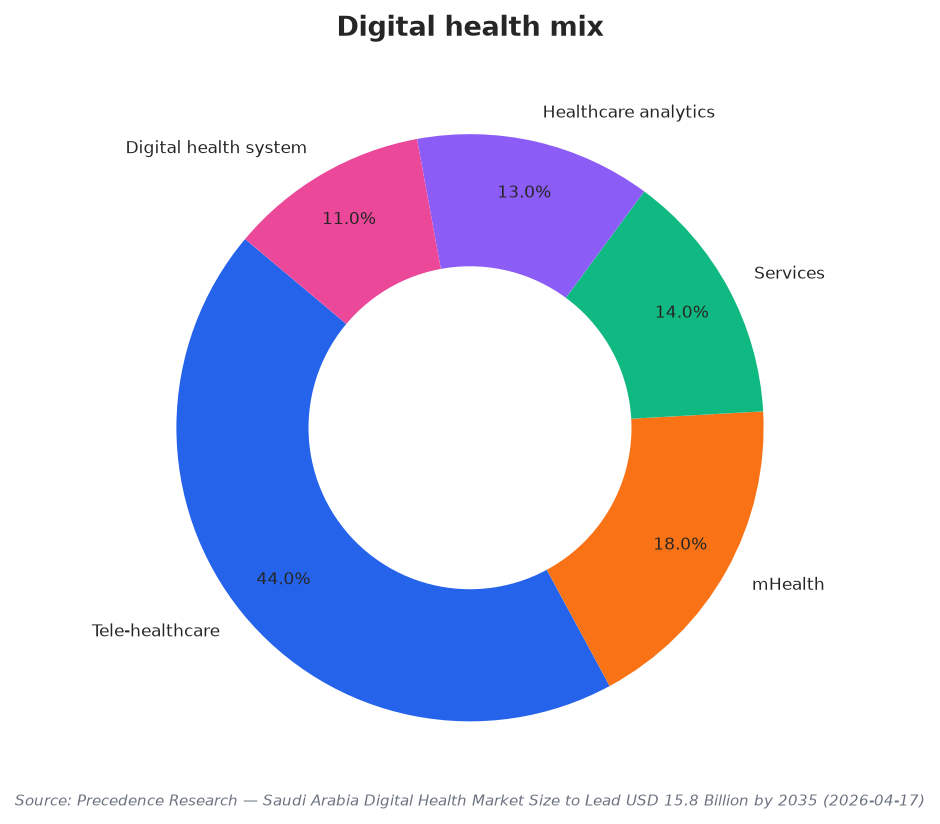
Saudi Arabia is building momentum for this transition through broader digital health modernization. The country’s digital health market was estimated at USD 2.81 billion in 2025 and is projected to be worth around USD 15.8 billion by 2035, growing at a CAGR of 18.85% from 2026 to 2035. That market scope includes telehealth, mHealth, healthcare analytics, electronic health records (EHR), and e-prescribing platforms. In 2025, tele-healthcare held a 44% share by technology, while mHealth had 18%, healthcare analytics 13%, and digital health systems 11%. By component, services led with 39%, software held 33%, and hardware 28%.
From E-Prescribing to Prescription Digital Therapeutics
Saudi Arabia’s experience with electronic prescribing (EP) shows why “prescribing software” is becoming a practical reality. EP enables the digital transmission of prescriptions between prescribers and dispensers, replacing handwritten orders with standardized, legible, and structured electronic orders. A Frontiers in Digital Health article notes that EP adoption in Saudi Arabia forms part of broader national efforts to serve different healthcare levels and strengthen digital health infrastructure. In the same study, multivariable analysis found that female physicians reported slightly lower efficiency scores than their counterparts, while perceptions of effectiveness remained uniformly high and were not independently associated with measured demographic variables.
The next step is therapeutic software that can be integrated into care pathways alongside medicines. Industry reporting links Saudi Arabia’s Vision 2030 health transformation programme with increasing investment in digital health infrastructure, and notes that the Saudi Food and Drug Authority is developing its digital health regulatory framework to accommodate software-based medical products, including digital therapeutics. Regional context matters too. The Middle East and Africa market is expected to register expanding revenue growth over the forecast period, with Saudi Arabia and the UAE described as primary markets. Another report says the region’s growth is fueled by healthcare modernization programs and government-backed digital health initiatives.
Demand drivers are also aligned with software-based care. One market analysis states Saudi Arabia is witnessing a sharp increase in chronic conditions such as diabetes, cardiovascular diseases, and obesity due to lifestyle changes, and frames digital therapeutics as scalable, non-invasive solutions for managing these diseases. Globally, the digital therapeutics market is described at USD 7.93 billion in 2024 and expected to reach USD 50.07 billion by 2032, while another estimate values the market at $8.74 billion in 2025 and projects $27.63 billion by 2035. Competitive pressure is intense, with one analysis stating leading companies such as Otsuka Holdings, Teladoc Health, Virta Health, Pear Therapeutics, and Omada Health collectively account for approximately 75% of market share.
What are digital therapeutics, and how are they different from wellness apps?
How does electronic prescribing support the shift toward prescribing software in Saudi Arabia?
What is the outlook for Saudi Arabia’s broader digital health market?
How are Saudi digital therapeutics tied to regulation and Vision 2030?
Which technologies currently lead Saudi Arabia’s digital health landscape by share?