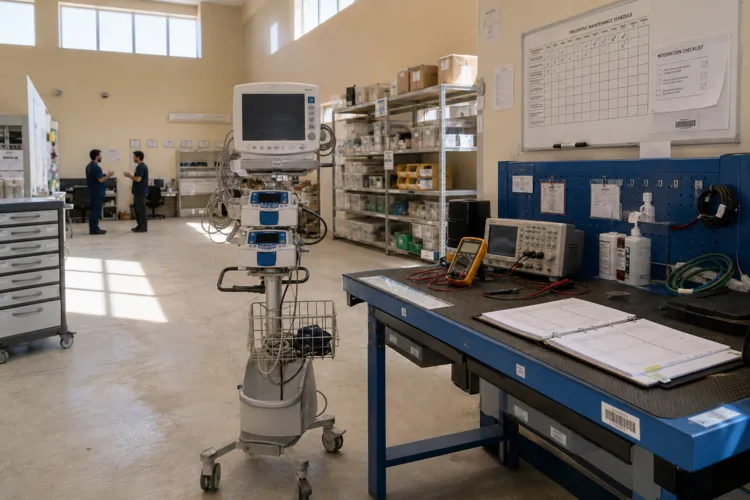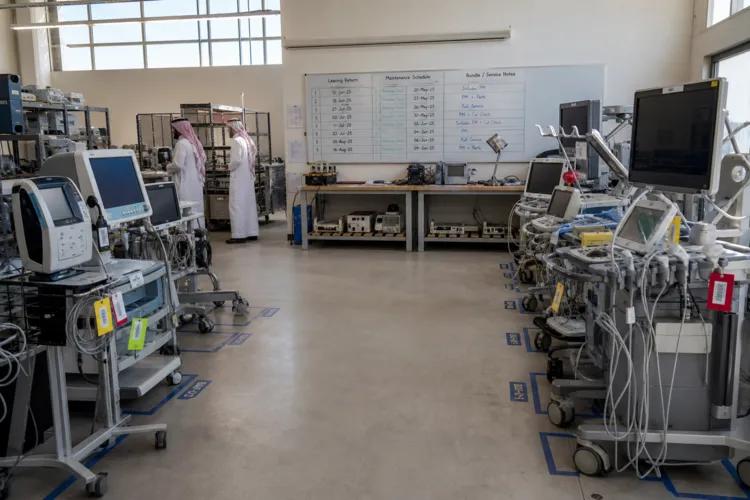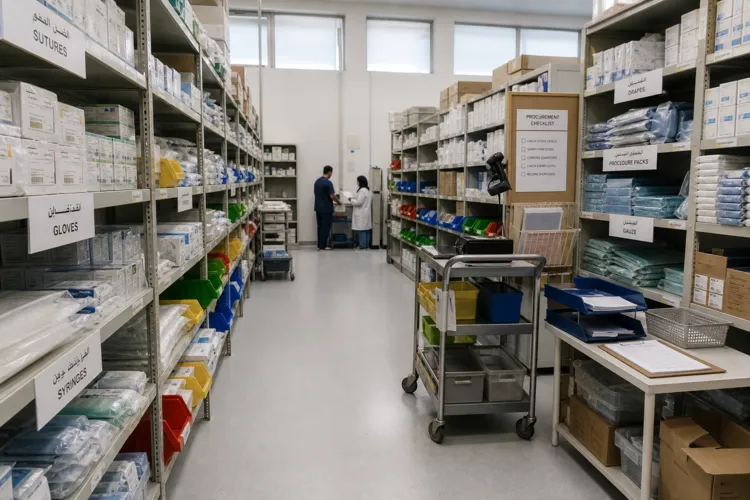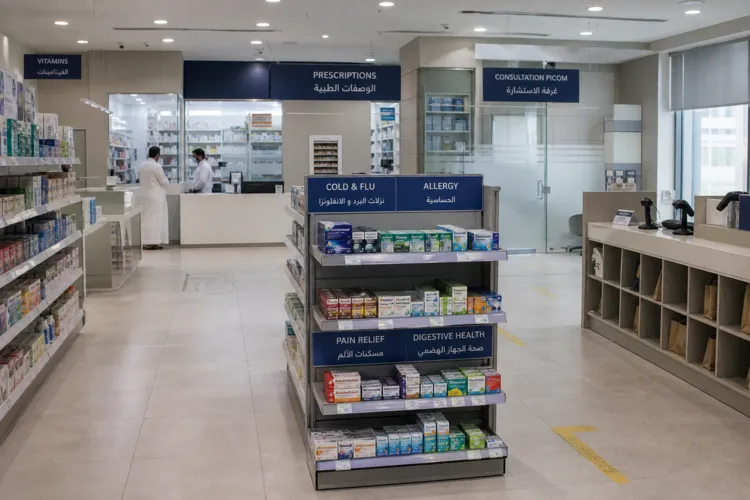
Saudi medical schools are under pressure to prepare students for modern healthcare. This is where saudi medical education reform is becoming urgent and practical. Recent Saudi-focused reviews describe artificial intelligence (AI) as a fast-growing force in medical education. They also link AI growth to national investments in digital health and education under Vision 2030.
In Saudi Arabia, AI is already appearing in several learning tools. Reported uses include adaptive learning platforms, simulation-based training, virtual and augmented reality, intelligent tutoring systems, and AI-supported assessment tools. These tools are described as improving learner engagement and knowledge retention. They can also support more personalized learning experiences for medical students, residents, and trainees.
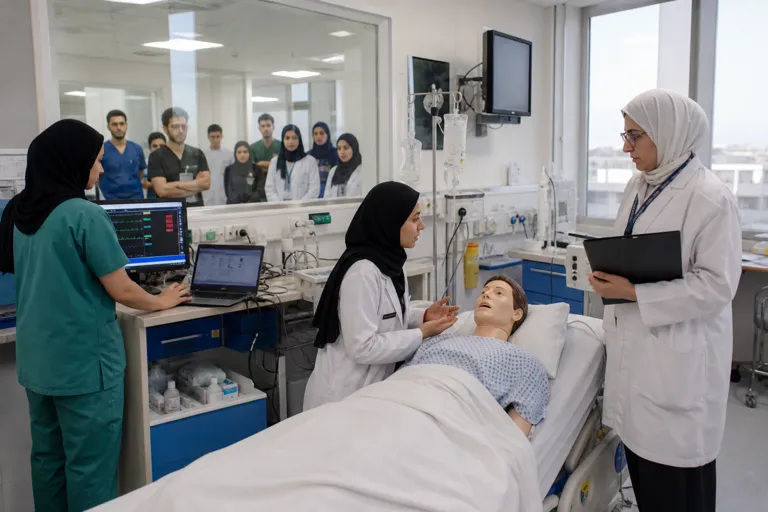
Simulation is a key part of this shift because it links knowledge to action. In the Saudi context, AI-enabled approaches are associated with interactive simulations and real-time feedback. This matters because students can practice decisions and then review performance. When used well, simulation can make learning more active and easier to remember.
Curriculum Reform Must Keep People at the Center
Even with growing AI use, formal AI training inside the curriculum is still described as limited. The gaps include AI-related competencies such as data literacy, algorithm interpretation, and ethical AI use. Without these basics, students may use tools without understanding their limits. That can weaken trust and safety later in clinical practice.
Human skills must not be lost during reform. Saudi-focused work warns that AI adoption should be balanced to preserve essential humanistic elements, including empathy, mentorship, and interpersonal communication. These skills shape how clinicians listen, explain, and support patients. A modern curriculum should treat AI as support, not as a replacement for human care.
Several sources also point to what should come next for curriculum reform. They call for structured, competency-based AI modules, ethical training, and clinically integrated simulations. They also highlight the need for faculty development, ethical governance, and further research to guide responsible implementation. Together, these steps can help Saudi programs build a future-ready workforce while keeping education effective, ethical, and human-centered.
What does saudi medical education reform focus on right now?
What AI tools are being used in Saudi medical education?
What curriculum gaps are still reported for AI in Saudi Arabia?
How can medical schools protect human skills while using AI?
What changes do sources recommend to improve AI readiness?