Saudi Arabia’s wellness economy is increasingly being packaged into daily routines, with supplements and nutraceutical products moving from niche to mainstream. One market lens values the Saudi Arabia nutritional supplements market at USD 6.80 billion in 2023, linking growth to rising health and wellness awareness, higher disposable income, and higher healthcare expenditures. That same view points to a post-pandemic lift in demand for products positioned around immunity and general health. At the same time, a separate nutraceuticals-focused estimate places Saudi Arabia’s nutraceuticals market size at USD 2.01 billion in 2023, underscoring how definitions and category boundaries can vary across sources while still pointing to strong underlying momentum.
Health context is a recurring driver in the Saudi market narrative. According to the Saudi Ministry of Health, over 60% of Saudi adults are either overweight or obese, a backdrop that aligns with higher consumption of vitamins, minerals, and other dietary supplements. Economic conditions are also cited as supportive. One report notes Saudi Arabia’s Vision 2030 reforms and a GDP per capita of $24,875 in 2023, framing why more consumers can allocate budget to wellness purchases. Demand is not limited to one age group either: the market discussion includes seniors, supported by mentions of government healthcare programs targeted at elderly care, including subsidized supplements for seniors.
What Saudis Are Buying: Formats, Ingredients, and Use-Cases
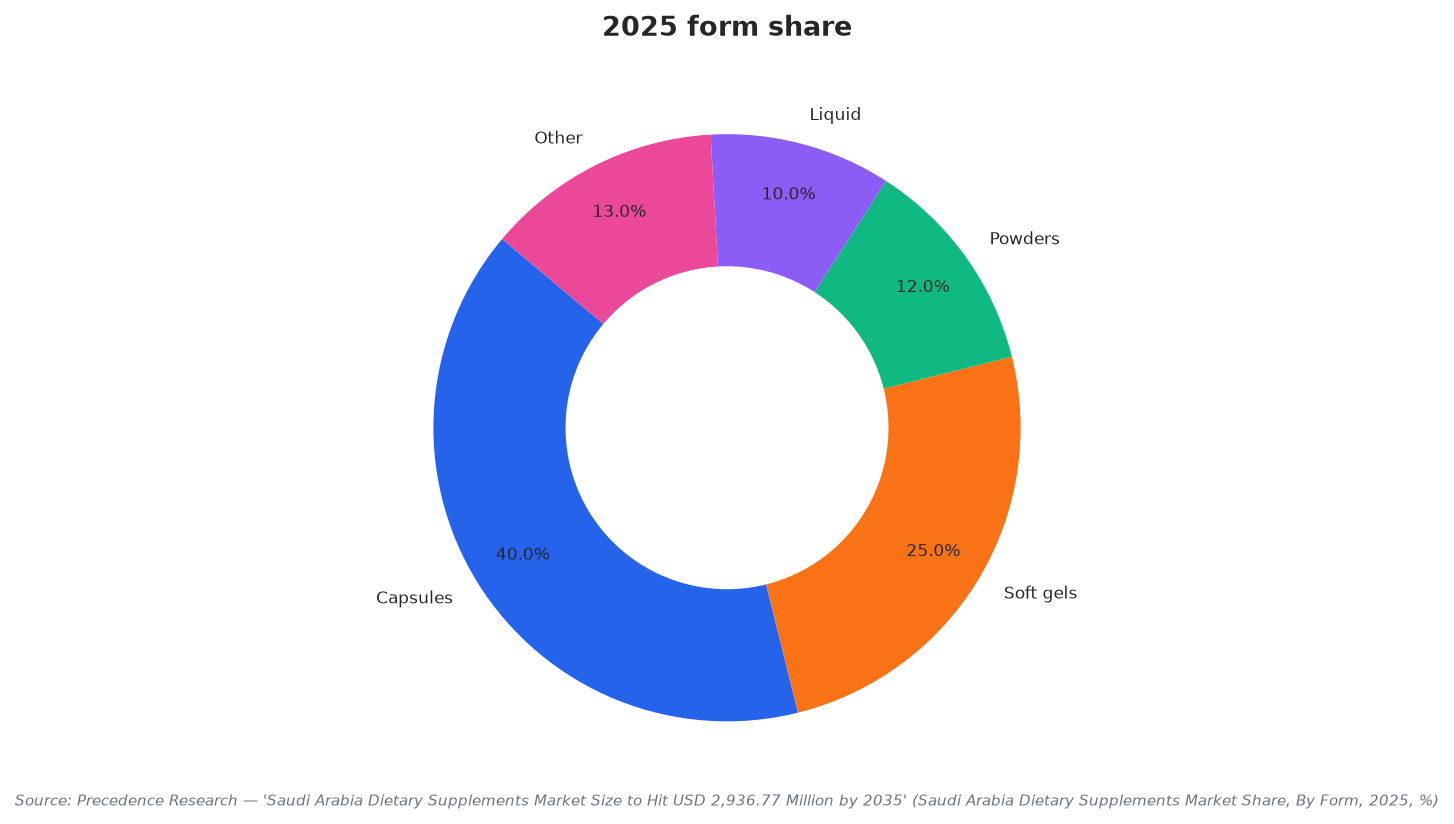
In the Saudi dietary supplements market, category structure is becoming clearer through product-share snapshots. In 2025, single-ingredient products are reported to lead with a 58% share, compared with 42% for multiple-ingredient blends. By form, capsules are described as the dominant format at 40% share, followed by soft gels at 25%, powders at 12%, and liquid at 10%. Ingredient shares in 2025 show vitamins at 30%, minerals at 15%, proteins and amino acids at 13%, and botanicals at 12%. These splits help explain why “capsule-first” portfolios can scale quickly while still leaving room for powders and liquids tied to sports nutrition or age-specific needs.
Forecasts also reinforce a multi-channel, multi-format expansion story. One databook estimates the Saudi Arabia dietary supplements market at USD 1,082.05 million in 2025 and projects it to reach nearly USD 2,936.77 million by 2035, with a CAGR of 10.50% from 2026 to 2035. A separate outlook projects the Saudi Arabia food supplements market rising from approximately USD 1.8–2.2 billion in 2026 to an estimated USD 3.5–4.5 billion by 2035, reflecting a CAGR of 7–9%. That same source describes immune-support supplements as growing 12–15% annually since 2023, and estimates gummy supplements at 15–20% CAGR in Saudi Arabia, showing how convenience formats can broaden adoption beyond traditional pill users.
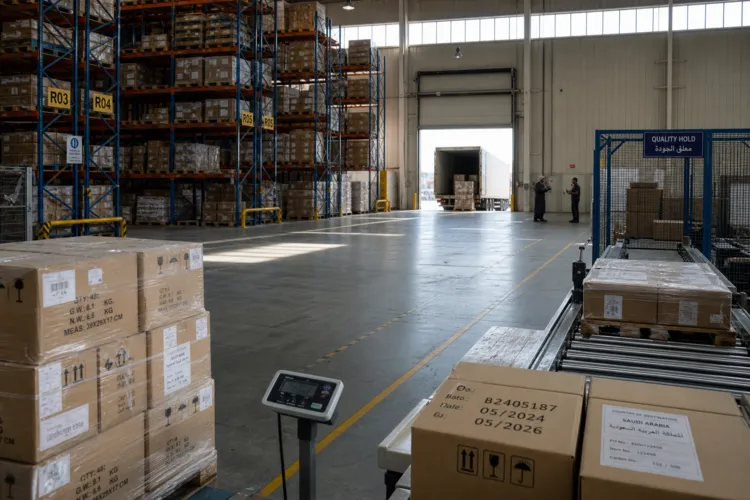
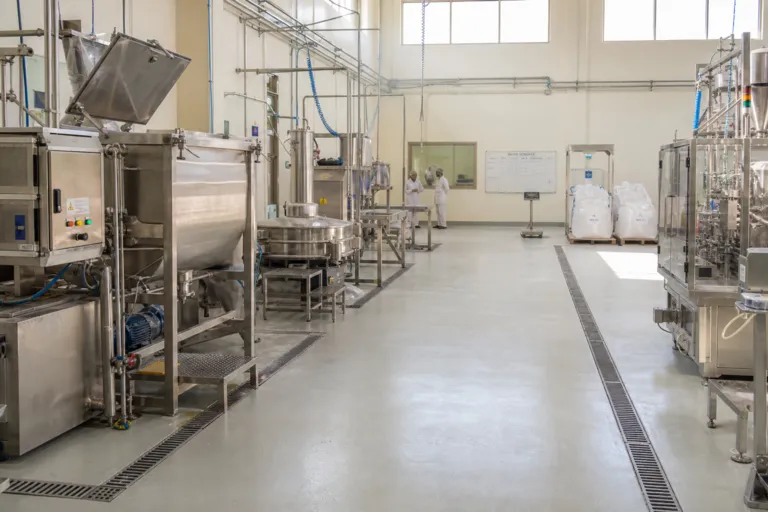
On the supply and compliance side, the ecosystem is balancing import dependence with local formulation growth. One analysis describes the market as structurally import-dependent, with over 70–80% of finished and semi-finished food supplement ingredients sourced from international suppliers, primarily from the United States, Europe, and Southeast Asia. Meanwhile, domestic production is described as concentrated in downstream formulation and blending, including two industrial-scale blending facilities in the King Abdullah Economic City industrial zone commissioned in 2024–2025, adding approximately 8,000–10,000 metric tons per year of combined blending capacity for powdered supplements and fortified food premises. Regulatory details also shape go-to-market decisions: halal certification is described as mandatory for all products marketed in Saudi Arabia, and SFDA modernization is highlighted, including regulatory procedures aimed at facilitating faster product approvals and market entry.
How big is the Saudi nutraceuticals market in recent estimates?
Which supplement format leads in Saudi Arabia?
What ingredients lead Saudi Arabia’s dietary supplements by share?
What growth outlooks are reported for Saudi Arabia’s supplements market?
How import-dependent is Saudi Arabia’s food supplements supply chain?