In Saudi Arabia, professional learning is shifting from periodic refreshers to a continuous system linked to licensure, quality, and workforce capacity. In Ken Research’s segmentation of healthcare professional training by type, Continuing Medical Education (CME) and Continuing Professional Development (CPD) are described as the leading subsegment. The same source ties that position to mandatory continuous professional development requirements set by national regulators, rising program accreditation, and the need to keep pace with evolving clinical guidelines, new therapies, and health technologies. In practice, that pushes learning closer to daily clinical realities and makes structured updating part of career progression rather than an optional extra.
Workforce pressures also shape the direction of Saudi continuing medical education. A case study cited in a 2026 market outlook notes that 232,000 expatriates staffed the sector, including about 60% of doctors and 57% of nurses. In the same context, Vision 2030 set an aim to train 175,000 new Saudi health professionals, while domestic programs were described as not producing enough graduates and lacking hands-on training. This combination encourages parallel action: build local training pipelines, and strengthen CPD so existing clinicians can adopt new standards, tools, and care models while the system expands tertiary and quaternary services.
What Modern CPD and CME Look Like in the Kingdom
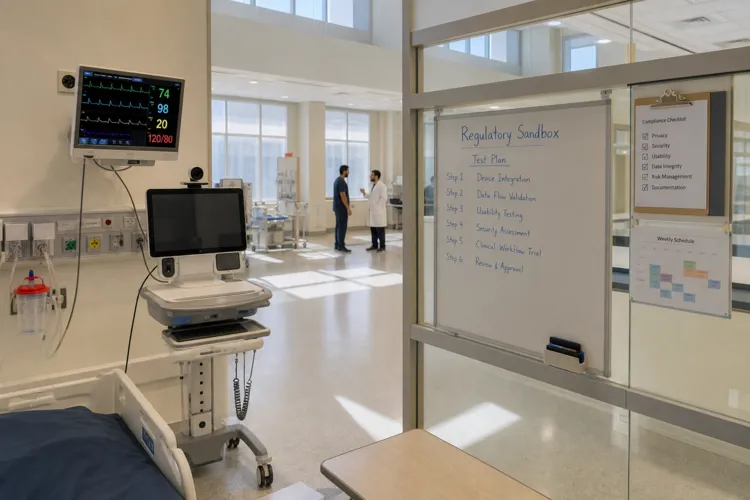
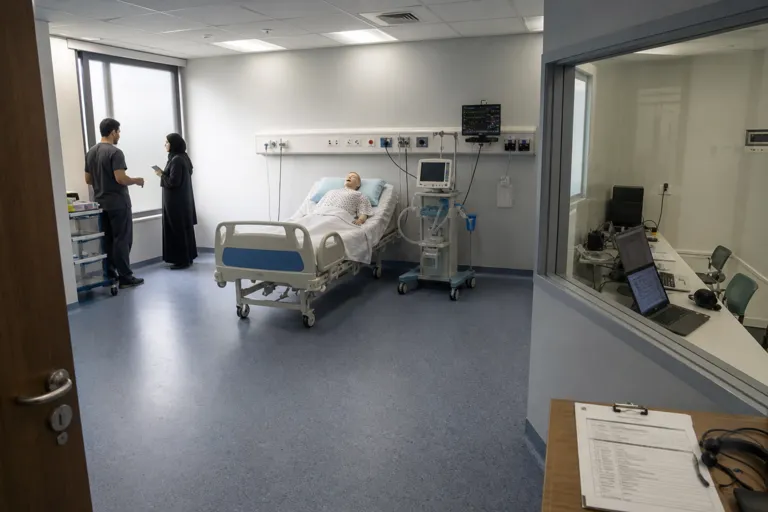
Modernization is increasingly defined by practice-based learning and technology-enabled training. The healthcare education and training case study describes plans to modernize curricula toward practical skills and technology such as health informatics and telemedicine. It also outlines a blueprint for a state-of-the-art Medical Simulation Center with simulation labs, virtual reality training tools, and standardized patient programs to strengthen clinical readiness for students and support ongoing skill development for working practitioners. On the postgraduate side, the plan calls for expanded residency and fellowship programs in hospitals, especially in family medicine, emergency, and critical care, alongside faculty development and exchange opportunities with international medical schools.
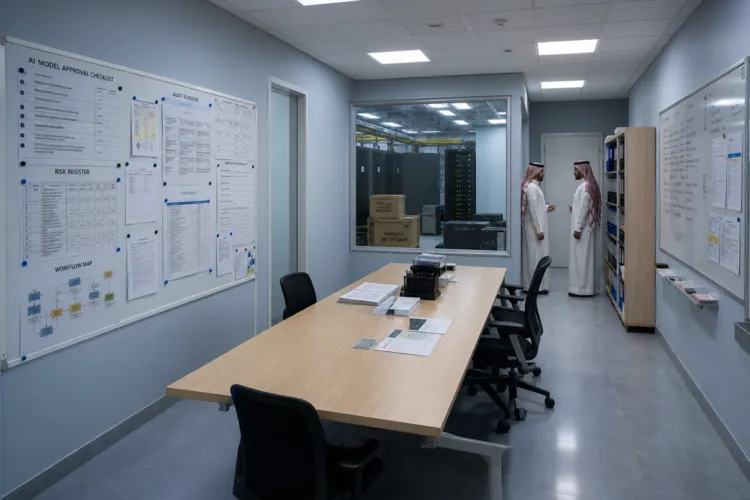
Delivery formats are changing as well, and Saudi Arabia’s training ecosystem is linking more tightly with hospitals and outsourced training services. Ken Research describes clinical training as the most dominant segment within training education services outsourcing, and identifies hospitals as the largest end-user segment because they require continuous staff training to keep up with medical technology and patient care practices. That same report values the Saudi Arabia healthcare training education services outsourcing market at approximately USD 390 million. Digital infrastructure investment is also presented as an enabler: Saudi Arabia is set to invest SAR 55 billion (about USD 14.6 billion) in AI and data centers, alongside a 42% increase in data center capacity to 290.5 MW, supporting virtual training, simulations, and smart learning tools.
Saudi healthcare learning is also evolving in a broader professional education environment where online delivery is becoming normal. Globally, Dataintelo reports the CPD market at $68.4 billion in 2025, projected to reach $138.7 billion by 2034 at an 8.2% CAGR, and says online delivery accounted for 48.3% of total CPD spending in 2025, up from 29.7% in 2019. In Saudi Arabia’s corporate education and training market, Ken Research notes that the digital learning market is anticipated to reach SAR 2 billion (USD 533 million) in the future, and that over 60% of companies now use digital platforms for training. Combined with proposals to mandate a minimum number of CPD hours yearly and provide unified online course access, these trends show why Saudi continuing medical education is moving toward blended, trackable learning that fits clinical schedules.
What is driving change in continuing learning for Saudi clinicians?
Why does workforce structure matter for CPD and CME in Saudi Arabia?
How are simulation and hands-on training showing up in Saudi medical education plans?
What role do hospitals play in professional training in the Kingdom?
How is Saudi continuing medical education being influenced by digital learning trends?