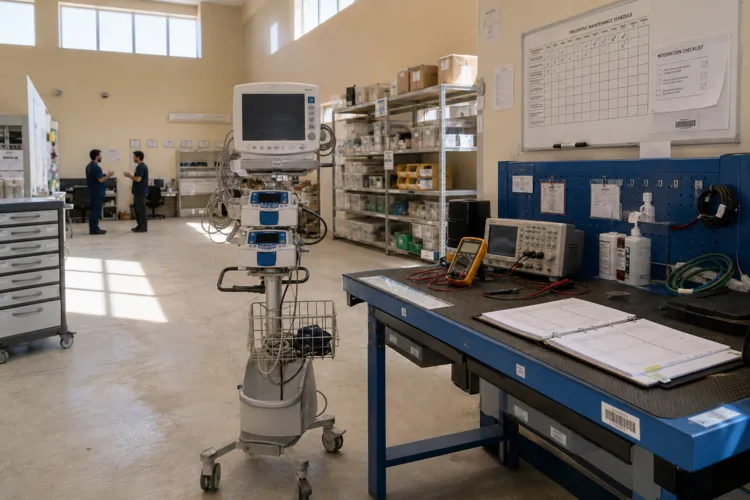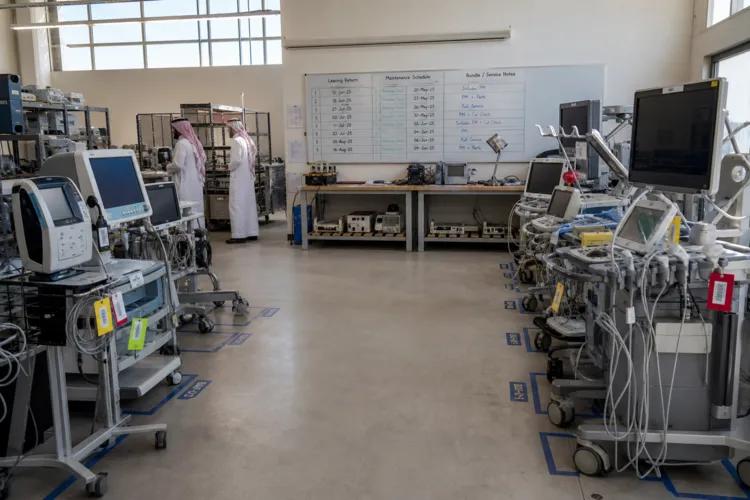
Saudi Arabia’s rehabilitation and physiotherapy surge is being pushed by infrastructure investment, broader service availability, and a care model that extends from post-operative recovery to chronic condition management. In rehabilitation equipment, one industry analysis highlights growing investments in healthcare infrastructure, expansion of physiotherapy services, and improving access to assistive devices as drivers enabling wider adoption of rehabilitation technologies. The same source links rising demand to chronic diseases, stroke-related disabilities, and injuries from road accidents, alongside increased life expectancy and the resulting need for mobility aids, physiotherapy devices, and long-term functional recovery tools.
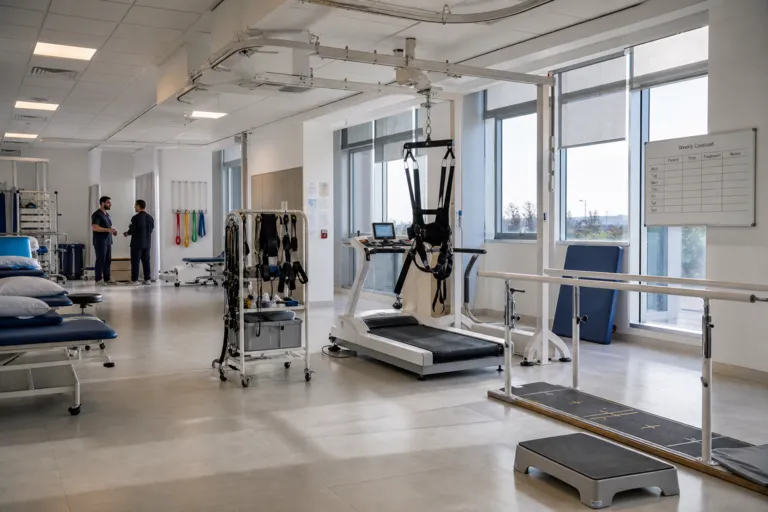
Within this landscape, advanced gait assessment and training systems show how capital-intensive technology is becoming part of clinical rehabilitation and human performance programs. A Saudi Arabia-focused market study describes the segment as structurally import-dependent, with over 90% of system value sourced from specialized manufacturers in the United States and Europe. It also notes that demand is expanding at a robust pace, with annual unit placements estimated to grow in the high single digits to low double digits through 2030. That growth is tied to Vision 2030 healthcare infrastructure investments, the expansion of specialized rehabilitation services, and rising prevalence of neurological and orthopedic conditions.
What’s Powering the Shift: High-Tech Rehab, Home Care, and Musculoskeletal Demand
Procurement is also changing in what buyers want, not just how much they buy. The gait systems report points to a pronounced shift from standalone pressure mats or basic treadmill systems toward integrated platforms that combine body-weight support, robotic actuation, virtual reality biofeedback, and cloud-based data analytics. By value, integrated robotic and multi-sensor platforms are estimated to capture 60–70% of total market expenditure, even if they represent a smaller share of unit sales. Pricing can be a barrier: premium robotic gait training platforms are priced between USD 150,000 and 350,000, which the report says constrains adoption to major tertiary hospitals, specialized rehabilitation centers, and well-funded research institutions.
At the same time, care pathways are expanding beyond facility-based rehab. A rehabilitation equipment market analysis highlights increasing home-based rehabilitation demand due to cost considerations and convenience for elderly or mobility-restricted individuals, and it connects overall market momentum to public health programs promoting disability inclusion and early functional recovery. On the clinical side, Saudi Arabia’s arthritis and musculoskeletal disorders market is projected to grow from around USD 12.4 billion in 2025 to USD 24.6 billion by 2031, at a CAGR of 11.7%. That source also notes rising demand for minimally invasive orthopedic procedures and adds that hospitals are investing in state-of-the-art orthopedic suites and post-surgical rehabilitation programs.
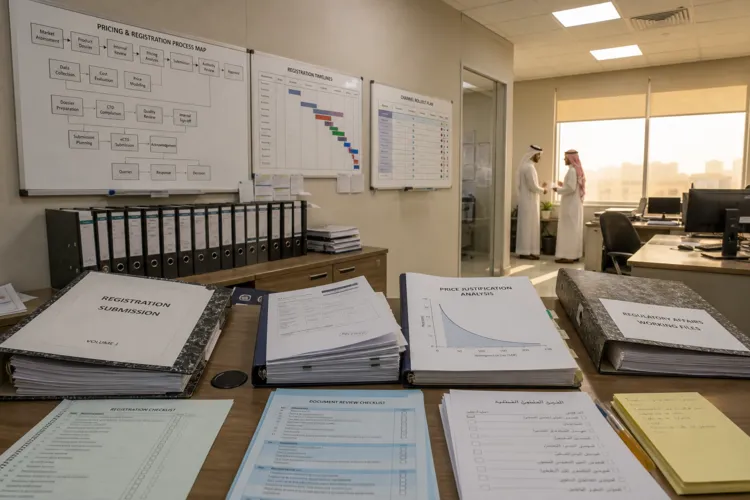
Even with momentum, execution bottlenecks remain a real theme for the saudi rehabilitation market outlook. In gait labs, the Saudi-focused report identifies a shortage of specialized biomedical engineering support and physiotherapists trained in robotic gait training workflows, which can reduce utilization and limit efficiency of capital deployed. It also cites SFDA medical device registration timelines typically requiring 9 to 18 months for Class II and III devices, potentially delaying access to the latest sensor and robotic technology. Meanwhile, musculoskeletal care coverage challenges can shape demand patterns: the arthritis and musculoskeletal disorders source states that while pharmacological treatments and surgeries are often reimbursed, physiotherapy and long-term rehabilitation services lack sufficient coverage in Saudi Arabia.
What is driving the rise in rehabilitation and physiotherapy demand in Saudi Arabia?
How import-dependent are Saudi Arabia’s gait assessment and training systems?
What share of spending goes to integrated robotic and multi-sensor gait platforms?
What are typical price ranges for premium robotic gait training platforms in Saudi Arabia?
What constraints could slow progress in the Saudi rehabilitation market?